





| May |
|
Friday, May 8 Updates from the People’s Court 1 hour MCLE credit; no ethics credit |
This CLE will address recent legislative and Supreme Court changes to a variety of the most common case types: class C misdemeanors, juvenile diversion, evictions, and ODLs. |
|
Friday, May 29 What to Do When Cybercrime Targets Your Law Firm or a Client 1 hour MCLE, no ethics |
|

| June |
|
Friday, June 5 The Effects of the One Big Beautiful Bill (OBBBA) Budget Reconciliation Act on Medicaid, Medicare, and the Affordable Care Act 1 hour MCLE credit, including .25 hours ethics credit |
|
|
Friday, June 12 250 Years of Legal Experience in Honor of America’s 250 Years 1.5 hours MCLE credit; including .5 hours ethics credit |
|
|
Friday, June 26 Closing Arguments – Civil 1.5 hours MCLE credit, including .5 hours ethics credit |
|

| July |
|
Friday, July 10 Mediation Best Practices 1 hour MCLE credit, including .25 hours ethics credit |
|
|
Friday, July 17 How to Screen Clients When Accepting Cases 1 hour MCLE credit, including .5 hours ethics credit |
|
|
Friday, July 24 AI Best Practices: What Every Lawyer Should Know 1 hour MCLE credit, including .75 hours ethics credit |
|
|
Friday, July 31 Voir Dire 1 hour MCLE credit; no ethics credit |
|

| February |
|
Friday, February 6 Common & Avoidable Mistakes in Litigation and Trial 1 hour MCLE credit; including 0.25 ethics credit |
No matter the size of the case or law firm, there tend to be common and avoidable mistakes that negatively impact litigation and trial. This panel will address some of the more common mistakes and possible solutions. The discussion will cover ethical considerations during litigation and trial, how they impact rulings, and how they can be avoided. |
|
Friday, February 20 Delay Claims on Construction Projects: A Practical Primer for the Non-Specialist 1 hour MCLE, no ethics |
|
|
Friday, February 27 2026 Ethics Program 3 hours MCLE credit; including 3 ethics credit |
Maximize Resolution’s Value: The Ethical Touchdown Before The Endzone Advanced Mediation Advocacy and Ethics: Drive for Show, Putt for Dough Are You Ethically Smarter in Court Than A Fifth Grader? |
| March |
|
Friday, March 6 Opening Statements – Civil 1.5 hours of MCLE, including 0.5 ethics credit |
|
|
Friday, March 13 First Amendment and Defamation Law: News Outlets 1 hour MCLE credit, no ethics |
|
|
Friday, March 20 Dependent Administration: Preparing Your Client to Serve and Meet Court Expectations 1.25 hours of MCLE, including 0.25 hours of ethics |
|
|
Friday, March 27 Real Property and Housewives of Houston 1 hour of MCLE, including 0.25 hours of ethics |
|
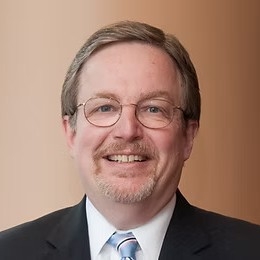
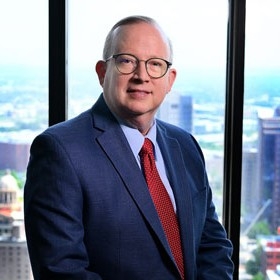
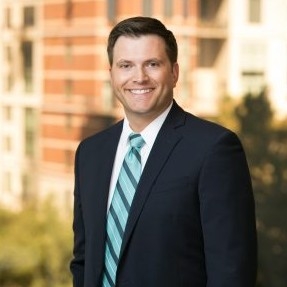
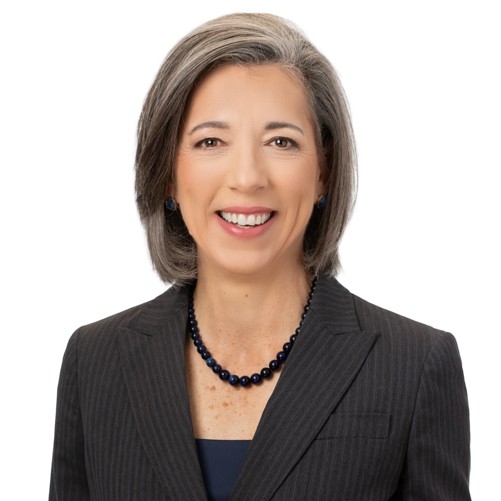
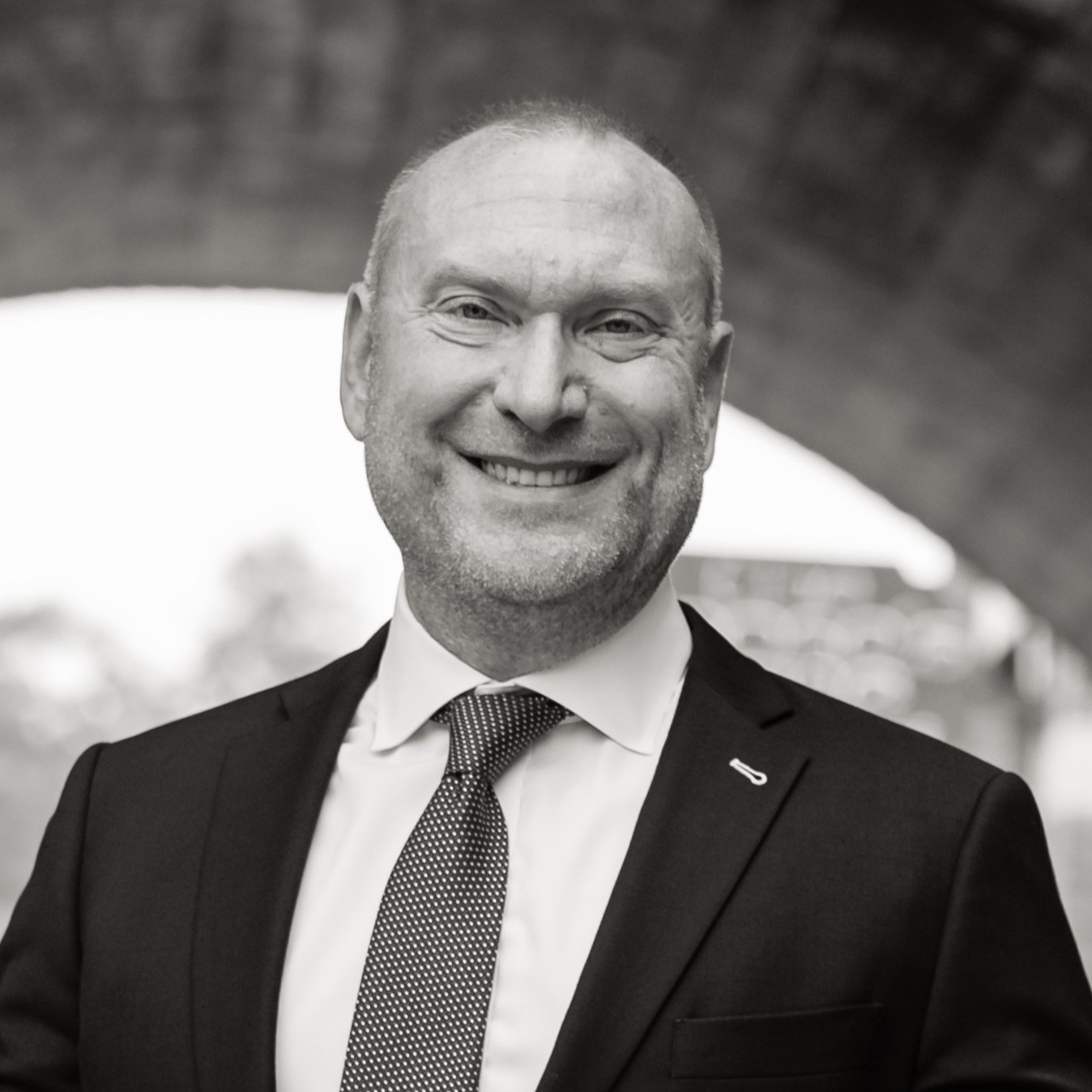
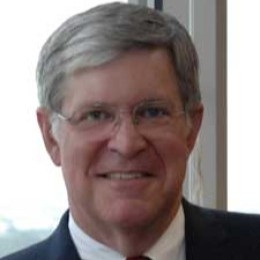 Three former Harris County Civil District Court trial judges – Hon. Brent Gamble, Hon. Jeff Work, and Hon. Joseph J. “Tad” Halbach – discuss opening statements in the context of a civil trial.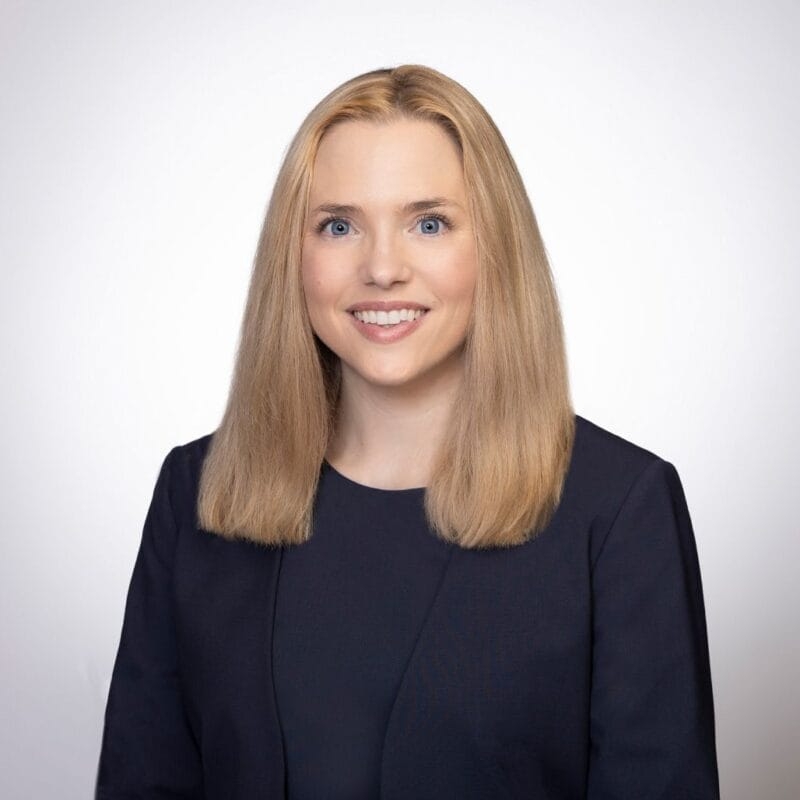

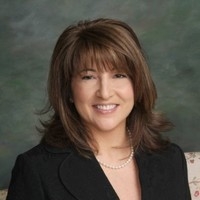 This discussion will help attorneys assist and prepare clients who are appointed to serve in the role of dependent administrator. The approach will be on court expectations and how to meet them. While the topic relates primarily to maintenance and production of information necessary to properly file relevant pleadings and financial accountings, the topic will necessarily provide an overview of ethical and fiduciary obligations of an administrator.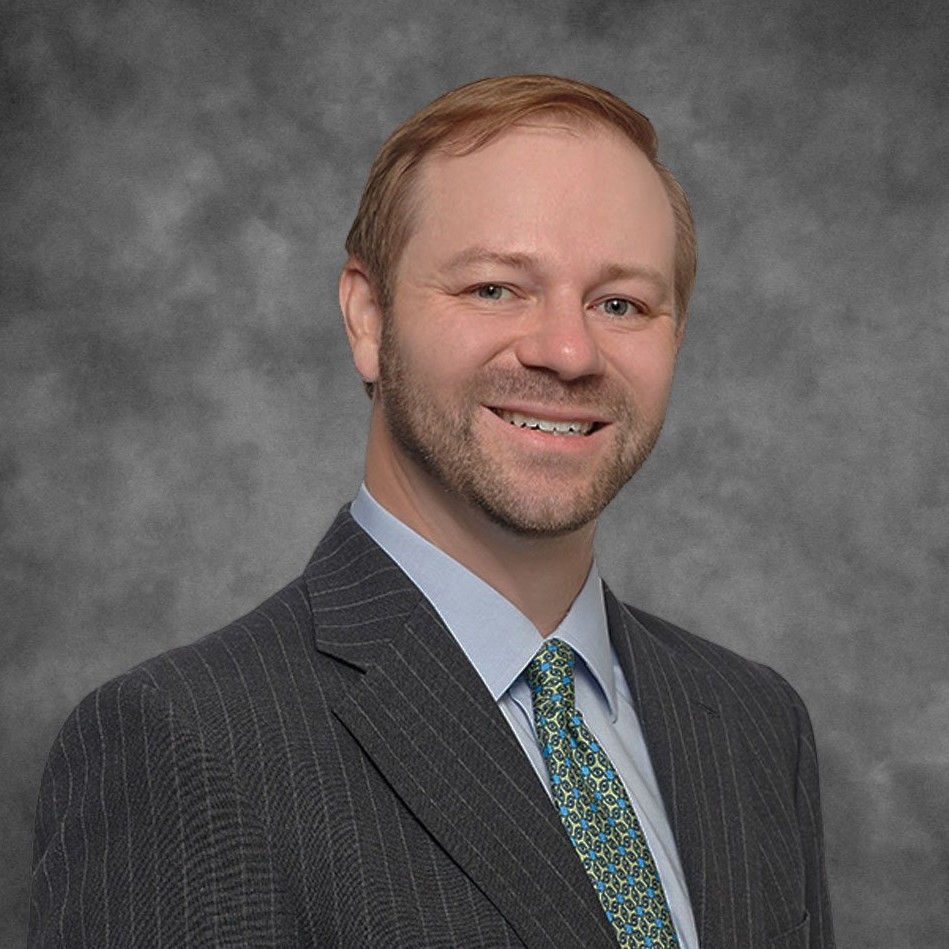
| April |
|
Friday, April 24 Taking a Deposition: Essential Strategies 1 hour of MCLE, no ethics |
This CLE examines essential strategies for taking effective depositions, providing attorneys with practical guidance for maximizing this essential discovery tool. |

| November |
|
Friday, November 7 “Preserving Error – A View from the Bench/Criminal law Hot Topics” Moderator: Cheryl Diggs, Harris County 2 hours MCLE credit; no ethics credit |
This is a criminal law judges’ panel that will cover mistakes lawyers make at the trial court level regarding preserving error and what the appellate court justices see when the case goes on appeal. Time permitting, the panel will touch on new criminal law/procedure statutes enacted during the 89th Legislative Session. |
|
Friday, November 21 “Family Law Basics for Non-Family Law Attorneys” 1 hour MCLE, no ethics |
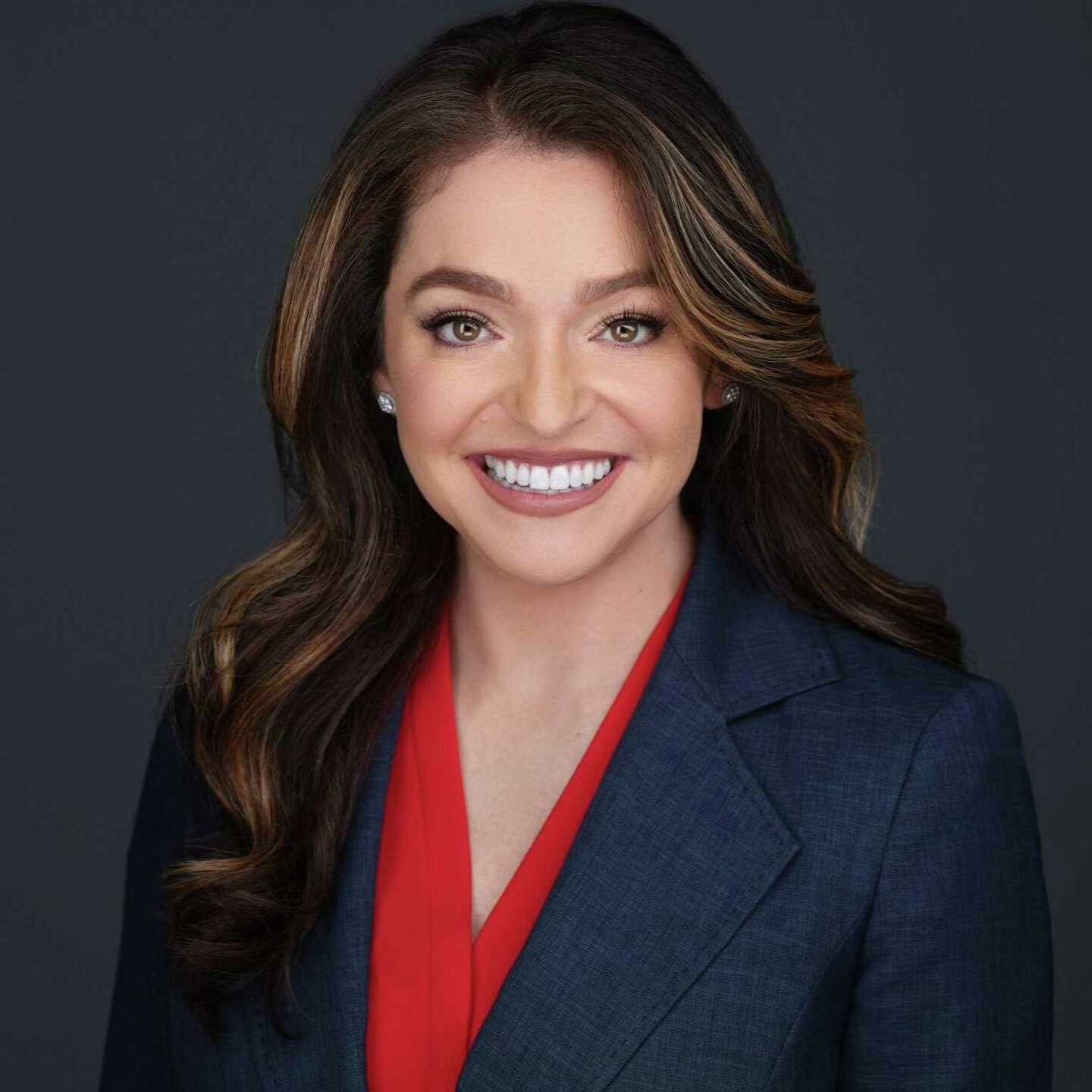
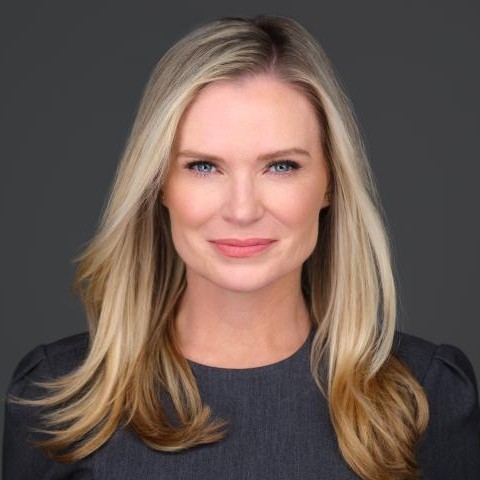
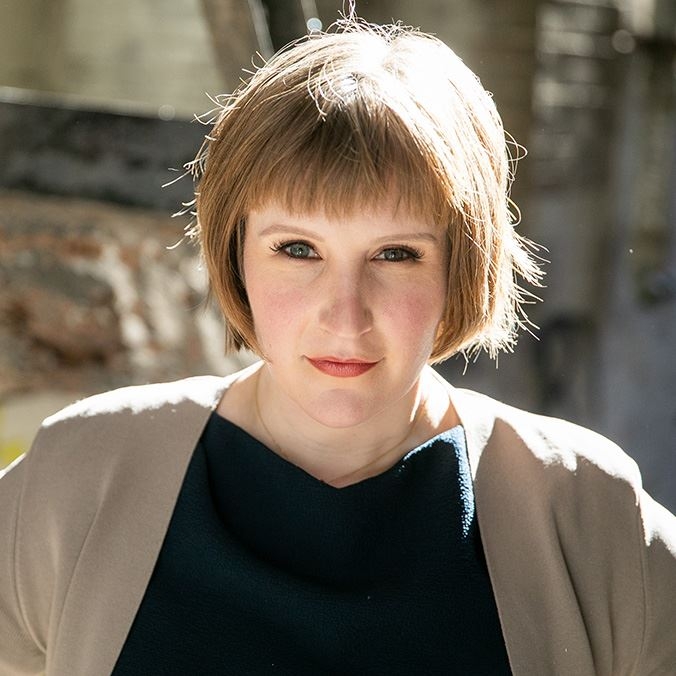
This presentation will discuss family law basics that every lawyer should know, including how a pending family law case can affect your practice. This presentation will also discuss common misconceptions, pitfalls, and best practices for navigating a family law matter. |

| December |
|
Friday, December 5 “The 89th Legislature: What Happened and How it Affects Your Practice and the Courts” 1 hour MCLE credit, including .25 hours ethics credit |
|
|
Friday, December 12 "Document Review Best Practices” 1 hour of MCLE, no ethics |
|
|
Friday, December 19 “Bankruptcy as a Business Tool: Strategic Options for Small and Mid-Sized Enterprises” 11 hour of MCLE, no ethics |
|
| January |
|
Friday, January 9 “International Expansion: An In-House Energy Counsel’s Guide to Overcoming Challenges & Seizing Opportunities” 1 hour of MCLE, no ethics |
|
|
Friday, January 23 "Advising Your Clients on the Basics of Guardianship” 1 hour MCLE credit, including .25 hours ethics |
|
|
Friday, January 30 “Challenging the Numbers: An Overview of Chapter 18.001 Affidavits” 1 hour of MCLE, no ethics |
|
.jpg)
| August |
|
Friday, August 8 “Best Practices in Client Engagements – from Engagement Letters to File Closure” 1 hour MCLE, including 1 hour ethics |
Questions that may arise during a client engagement period often can be address through simple documentation at the outset and end of the representation. This program will address best practices in client engagement from initial contact, engagement letters, communications during representation, end of representation, closure letters, and file management to avert disputes and satisfy the Texas ethics rules. It will trace the lawyer's ethics checkpoints from intake to file destruction (communication, scope, fees, confidentiality, conflicts, tech competence) linking each to Texas rules of ethics and recent Texas opinions. Practical engagement-letter, closure-letter, and file-retention templates show how to hard-wire these duties into daily practice and avert disputes. |
|
Friday, August 15 “A Primer on Chapter 95 of the CPRC and Texas Premises Liability Law” 1 hour MCLE, no ethics |
|
|
Friday, August 22 “Election Law Operations and Attorney Participation” 2 hours MCLE, no ethics |
Elections are seemingly simple, but are quite complicated. The roles, procedures, and operations of elections will be presented as well as how attorneys can participate in the process, elections, litigation and legislation. |
| September |
|
Friday, September 5 "Texas Usury Laws” 1 hour of MCLE, including 0.25 hours of ethics |
|
|
Friday, September 12 “Summary Judgment – Lessons Learned and Tips for Effectiveness” 1 hour of MCLE, no ethics |
|
|
Friday, September 26 “Authenticity & Developing a Relationship with the Court & Jury” 1 hour of MCLE, including 0.25 hours of ethics |
|
| October |
|
Friday, October 3 “Primer on Insurance and Insurance Law” 1 hour of MCLE, no ethics |
|
|
Friday, October 17 "Anatomy of a TRO in State and Federal Court” 1 hour of MCLE, no ethics |
|
| May |
|
Friday, May 2 “TROs and Injunctions in Departing Employee Litigation (Including Ethics!)” 1 hour MCLE, including 0.5 hours ethics |
In lawsuits against former employees for breach of non-compete, misappropriation of trade secrets, and other claims, the TRO hearing or temporary injunction hearing is often the key event. This program will cover the key legal and practical issues that come up in these hearings, including ethical issues such as candor to the tribunal. Ethical issues often arise when a company seeks a TRO or temporary injunction against a former employee, including communications with parties not represented by counsel, potential conflicts of interest when jointly representing defendants, and the duty of candor to the tribunal. |
|
Friday, May 9 “Sealing the Past: A Review of Expunctions in Texas” 1 hour MCLE, including 0.25 hours ethics |
The legal world, known for its reliance on stenographic record-keeping and face-to-face interactions, is undergoing a seismic shift. With the proliferation of Artificial Intelligence (AI) software and modern technology, more attorneys are leveraging non-stenographic deposition software to streamline litigation processes, save costs, and bolster case presentations. This CLE explores and explains the Texas rules governing the use of non-stenographic depositions, the specifics of taking a non-stenographic deposition, the benefits of non-stenographic depositions, and the role of AI software in non-stenographic depositions. This CLE also covers admissibility concerns and ethical considerations that may come into play with non-stenographic depositions and the use of AI software. The CLE will cover ethical considerations relating to non-stenographic depositions and the use of AI software. |
|
Friday, May 16 “Bioethical Consideration: Under-Utilized Alternatives to Yoga to Benefit Brain, Spiritual and Physical Health Do Exist” 1 hour MCLE, including 1 hour of ethics |
It has become commonplace for people to suggest, "just do yoga" to reduce stress, improve breathing techniques and impact overall health and wellbeing. This webinar focuses on alternatives to yoga through the lens of bioethics, whereby clinical, legal, religious and philosophical cornerstones are utilized to address a particular clinical or health policy issue. There is a lot that translates to the practice of law and wellbeing, which will be discussed during this one-hour presentation. Attorney wellness, client wellness and competence as it relates to different clients' needs and workforce needs will be addressed. |

.png)
| June |
|
Friday, June 6 "Construction 101” 1 hour of MCLE, no ethics |
|
|
Friday, June 13 “Top 10 International Arbitration Developments” 1 hour of MCLE, including 0.5 hours of ethics |
|
|
Friday, June 27 "Loper Bright Today – Status of Administrative Review Across Industries” 1 hour of MCLE, no ethics |
|
| July |
|
Friday, July 11 “Know Your Audience: What Judges Look For in Briefing and the Courtroom” 1 hour of MCLE, no ethics |
|
|
Friday, July 18 "Preference Action" Under the Bankruptcy Code: Best Practices to Limit Preference Liability” 1 hour of MCLE, no ethics |
Your client's customer has not been paying its invoices and has now filed for bankruptcy. Your client remains unpaid on a number of these invoices, making it a "creditor" in the bankruptcy case. To add insult to injury, the Chapter 7 trustee now seeks the immediate return of certain payments made by the customer/debtor, which were made to your client in the months or even years preceding the bankruptcy case. The claim by the trustee is referred to as a "preference" action. Fortunately, the Bankruptcy Code provides creditors (like your client) with certain defenses to defeat a preference action. This webinar provides an introduction to preference actions, as well as an overview of the defenses and "best practices" to limit exposure to preference liability. |


| February |
|
Friday, February 7 “Succession Planning and Cessation of Practice” 1.5 hour MCLE, including 1.5 hours ethics |
The arc of a lawyer’s practice eventually comes to an end. Ideally, the lawyer is ready, and the mode of transition protects clients, staff, and the lawyer’s family. The Texas Supreme Court regulates Cessation of Practice to foster order. This webinar addresses legal and ethical issues in sale of a practice, custodianship of a practice, closing a practice, and consequences of planned and unplanned cessations. This webinar will cover Texas disciplinary rules implicated in the sale or transfer of a practice, including topics on client consent, confidentiality, and management of client files and client funds, as well as a look at ABA Model Rule 1.17 on Sale of Law Practice. The course will also cover Part 13 of the Texas Rules of Disciplinary Procedure pertaining to cessation of practice, custodianship of a practice, and ethical guidance on screening client files for attorney’s-eyes-only documents and final disposition of closed files. |
|
Friday, February 21 “Harnessing Non-Stenographic Depositions & AI” 1 hour MCLE, including 0.25 hours ethics |
|
|
Friday, February 28 “Findings of Fact and Conclusions of Law: The Basics and Beyond” 1 hour MCLE, no ethics |
The speech along with the paper will start with the basic, rule-specific issues with findings of fact and conclusions of law, including deadlines and strategy considerations. The topic then expands to discuss frequently-occurring problems with findings and conclusions as well as suggested ways to address them. Finally, the speech will cover appellate issues relating to findings of fact and conclusions of law. |

| March |
|
Friday, March 7 "Metrics of Success – Enhancing the Efficiency and Strategic Value of Document Review” 1 hour of MCLE, no ethics |
|
|
Friday, March 14 “AI in Retrospect: Insights and Impacts on the Legal Community” 1 hour of MCLE, including 0.25 hours of ethics |
|
|
Friday, March 21 "Oil & Gas Law Litigation for the General Practitioner” 1 hour of MCLE, no ethics |
|
|
Friday, March 28 “Legal & Ethical Issues Using AI & Generative AI for Texas Lawyers” 1 hour of MCLE, including 0.5 hours of ethics |
|
 This presentation will take a fresh look at the e-discovery process and how we measure its success. It will focus on the role of technology in streamlining the process, consider how to approach large data sets to maximize client value, discuss how litigators can avoid common pitfalls in e-discovery, and explore how lawyers can demonstrate the value proposition of e-discovery to their clients.
| April |
|
Friday, April 4 “Bare Bones: How to Try Simple, Soft-Tissue Auto Cases” 1 hour MCLE, no ethics |
|
|
Friday, April 25 “The Art of Drafting Arbitration Agreements: Writing for Success in Dispute Resolution” 1 hour of MCLE, including 0.25 hours of ethics |
This presentation will focus on the ethical issues under the Texas Disciplinary Rules of Professional Conduct posed by lawyers' use of social media platforms to advertise. It will also discuss the ethics of responding to negative online reviews. |
| November |
|
Friday, November 1 “The Corporate Transparency Act: What it Means for Your Practice and Beyond” 1 hour MCLE, including 0.5 hours ethics |
The Corporate Transparency Act (CTA) represents a significant shift in corporate governance, aiming to enhance transparency and combat illicit activities like money laundering and tax evasion. This event is designed to help attorneys understand the far-reaching implications of the CTA and prepare for the compliance requirements that lie ahead. Attendees will gain valuable insights into how the CTA impacts corporate structure, governance, daily operations, and disclosure obligations by attorneys, as well as the broader implications for the practice of corporate law and for attorneys incorporating businesses. |
|
Friday, November 8 “Now or Later? EDR and Post-Discovery Mediation” 1 hour MCLE, including 0.5 hours ethics |
Mediation is dominated by ethical issues. Whether the mediation transpires early as in Early Dispute Resolution, or post discovery, the mediator must strive for confidentiality, neutrality, and avoiding conflicts of interest. Any time mediation is a subject, these elements must be addressed and will be in this presentation. |
|
Friday, November 15 “Superfund Excise Tax” 1 hour MCLE, no ethics |
This seminar will offer an overview of what you should know about the Superfund: its history, current reenactment, and purpose; applicable chemicals, hazardous substances, and exemptions; rates; fillings; legal authority and guidance issued by the IRS; successor liability; and current enforcement landscape. |
|
Friday, November 22 “Tips on Finding and Using Expert Witnesses” 1 hour MCLE, no ethics |
|
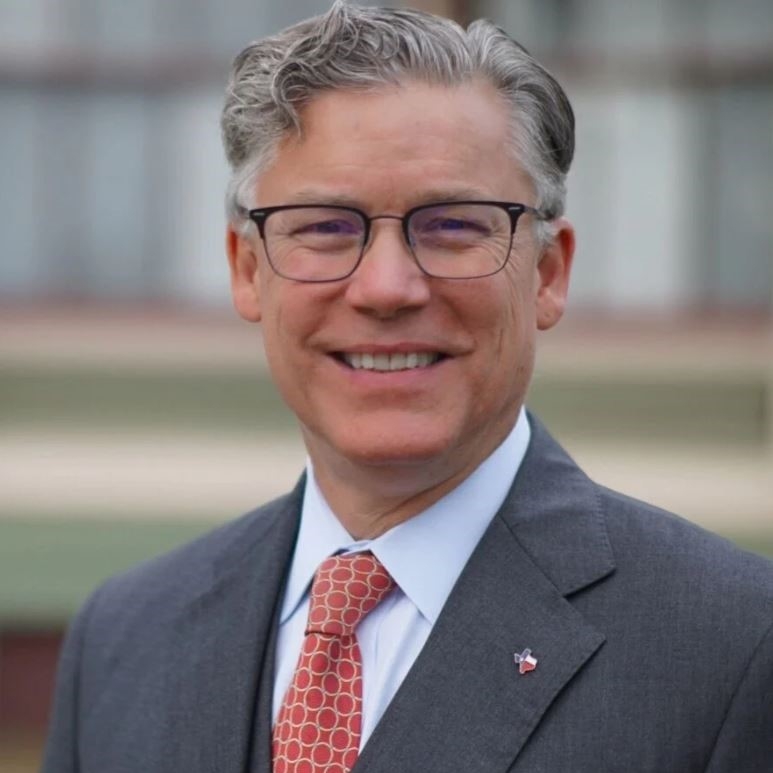
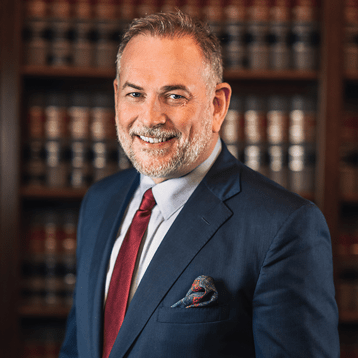 Disputes demand resolution. The courts are open, but litigation, trials and appeals often don’t resolve, and typically prolong the dispute at hand. Early Dispute Resolution and mediation offer finality to simple or complex disputes. Our panel of experts discuss the benefits and challenges of early and mature settlement, spanning the litigation spectrum, as well as the ethical issues presented…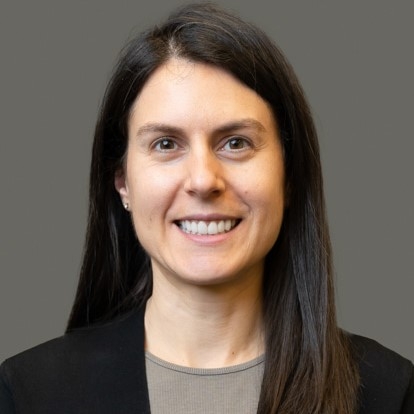
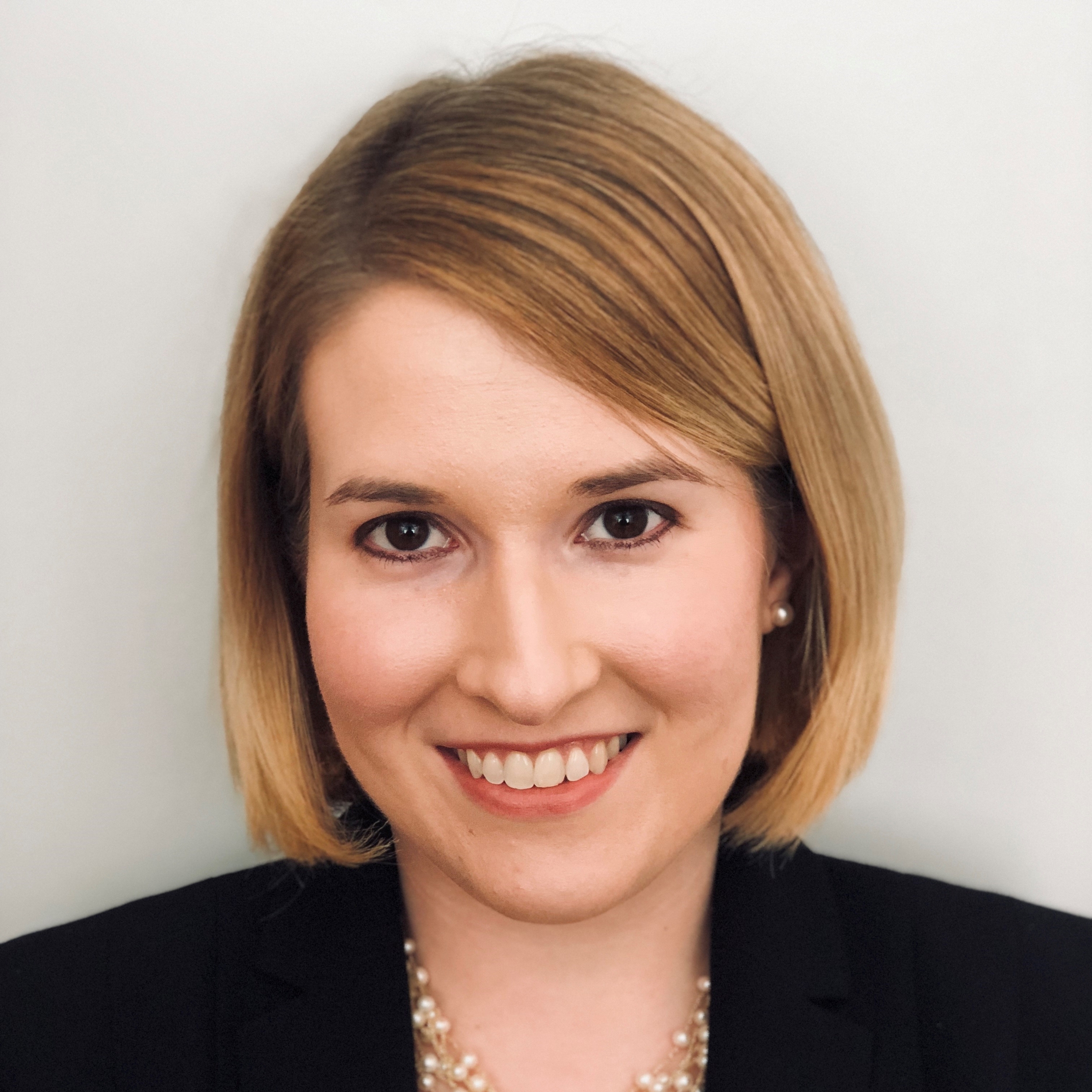
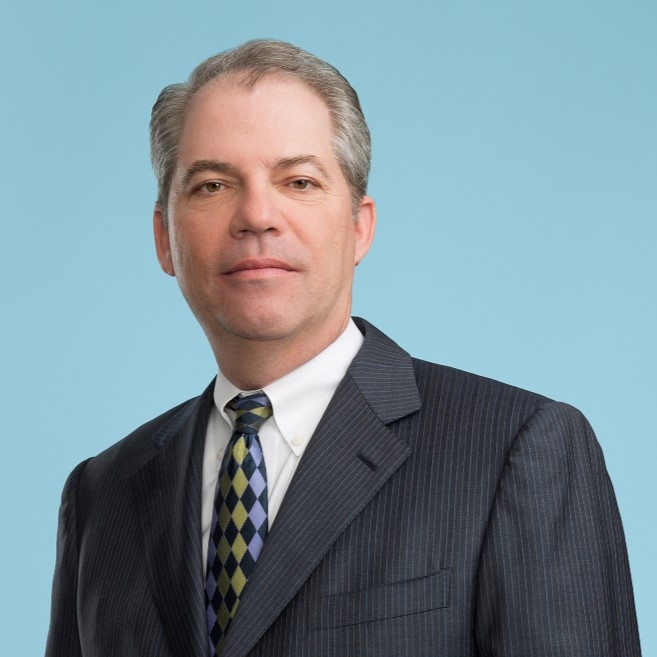
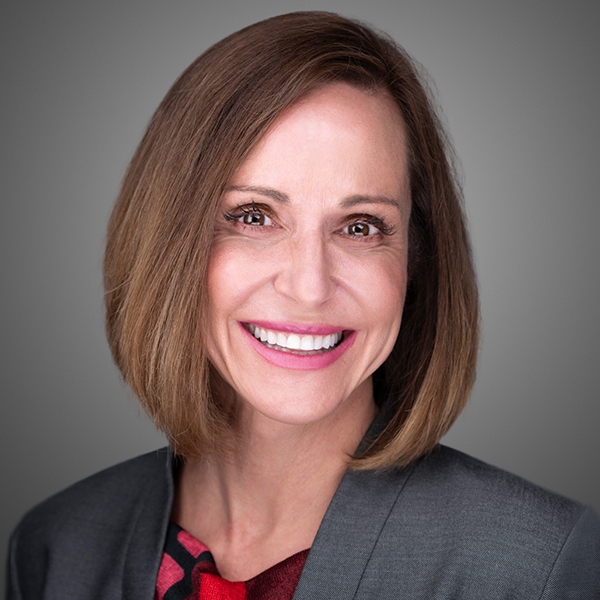
 This CLE is a panel discussion with a judge, tried and true expert, and trial lawyer who frequently retains and interacts with experts on cases. It will provide information on (i) how to find good and reliable experts; (ii) insight on how experts can be used persuasively (and what not to do) in jury and bench trials; and (iii) tips on making adequate expert disclosures and how to communicate with and utilize experts more effectively.
| December |
|
Friday, December 6 "The Privilege Puzzle: Confidentiality and Privilege in Internal Investigations” 1 hour of MCLE, including 1 hour of ethics |
|
|
Thursday, December 12 “Know Your Audience: Judicial and In-House Counsel's Perspective on Effectively Communicating Through Writing” 1 hour of MCLE, no ethics |
|
|
Thursday, December 19 "Medical Provider Discovery in Personal Injury Cases” 1 hour of MCLE, no ethics |
|
|
Friday, December 20 “Introduction to Taking a 30(b)(6) Deposition” 1 hour of MCLE, no ethics |
|
| January |
|
Friday, January 10 “Preserving Error at Trial: Don't Fall for these TRAPs!” 1 hour MCLE, no ethics |
|
|
Friday, January 24 “An Overview of the State Bar's Disciplinary System” 1 hour MCLE, including 1 hour of ethics |
|
|
Friday, January 31 “The Ethics of Advertising on Social Media” 1 hour of MCLE, including 1 hour of ethics |
|

| August |
|
Friday, August 9 “Maximizing Results in Mediation” 1 hour MCLE, including 0.25 hours ethics |
|
|
Friday, August 23 “Protecting Data in Texas: An Overview of Texas Data Privacy and Breach Laws” 1 hour MCLE, no ethics |
|
| September |
|
Friday, September 6 “West Virginia v. EPA to Loper Bright Enterprises v. Raimondo: The Supreme Court's Recent Limitations on Federal Administrative Power” 1 hour of MCLE, no ethics |
|
|
Friday, September 27 “Phasing Out NAFTA: The Emergence of USMCA and its Impacts on North American Trade Disputes” 1 hour of MCLE, no ethics |
|
.png)
| October |
|
Friday, October 4 “Transitioning Your Law Practice: Change Can Be Hard – But Here Are Some Hacks!” 1.5 hours MCLE, including 0.25 hours ethics |
Earning a JD opens lots of doors – but how do you decide which ones to step through? This CLE will discuss the challenges lawyers face when switching practice environments, including transitioning from Big Law to running your own shop, changing from a private law firm, to an in-house position, and switching your practice area. The speakers will provide a hit list of lessons learned and share experience to give you an edge if you are looking to make a jump! The program will cover ethics considerations when you begin your own practice, for example, setting up malpractice insurance or dealing with clients and formulating case strategies; additionally, identifying new ethical considerations if you switch practice environments or are representing new types of clients. . |
|
Friday, October 25 “Best Practices in Representing and Questioning Elderly Individuals” 1 hour of MCLE, no ethics |
|

| May |
|
Thursday, May 2 “Harris County Courts by the Numbers: Insights from HB 1182 and the 2024 OCA Report” 1 hour MCLE, no ethics |
|
|
Friday, May 3 “A Primer on Criminal Law for Civil Lawyers” 1 hour MCLE, no ethics |
|
|
Friday, May 17 “Referral Fees and Monetizing Your Network” 1 hour MCLE, including 0.5 hours ethics |
|
|
Friday, May 31 “Jury Persuasion in These Politically Charged Jury Pools” 1 hour MCLE, no ethics |
|
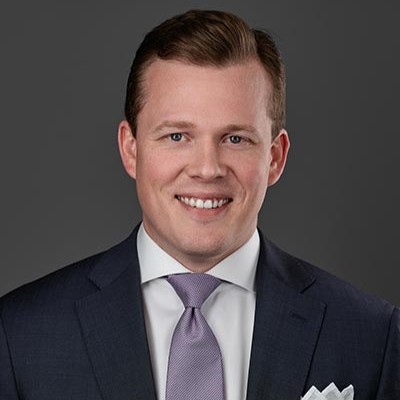
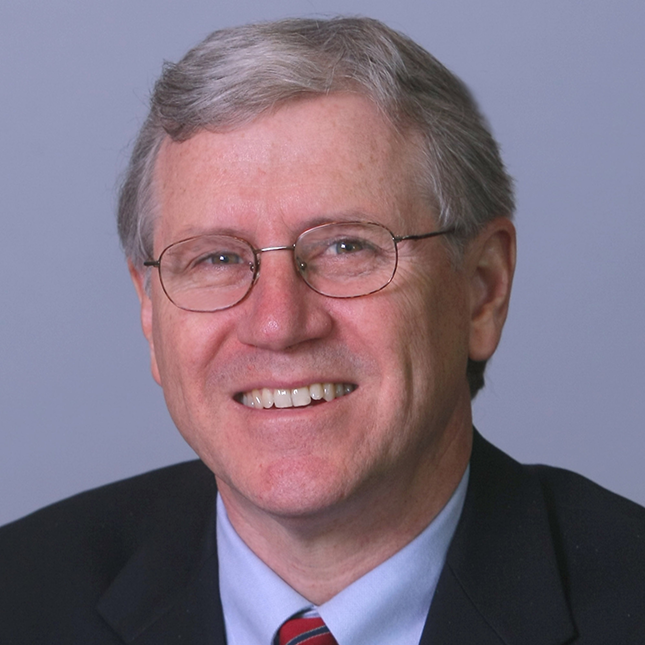
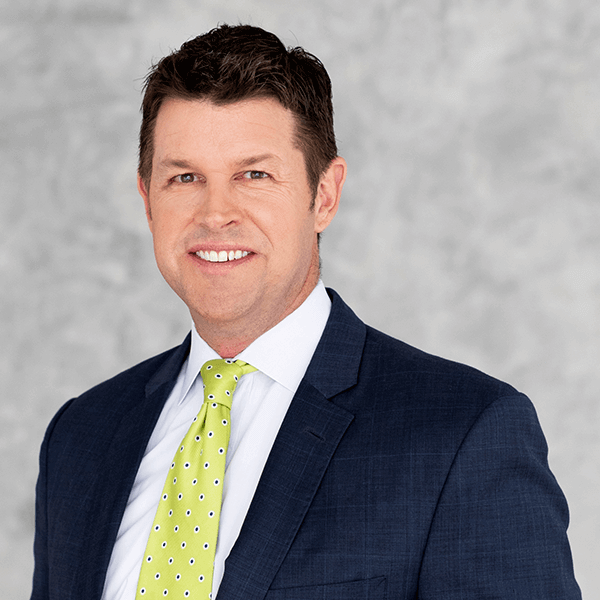 This presentation is a basic primer on criminal law. It will explain what to do and things to keep in mind when you are a civil lawyer, and your client gets arrested or receives a target letter.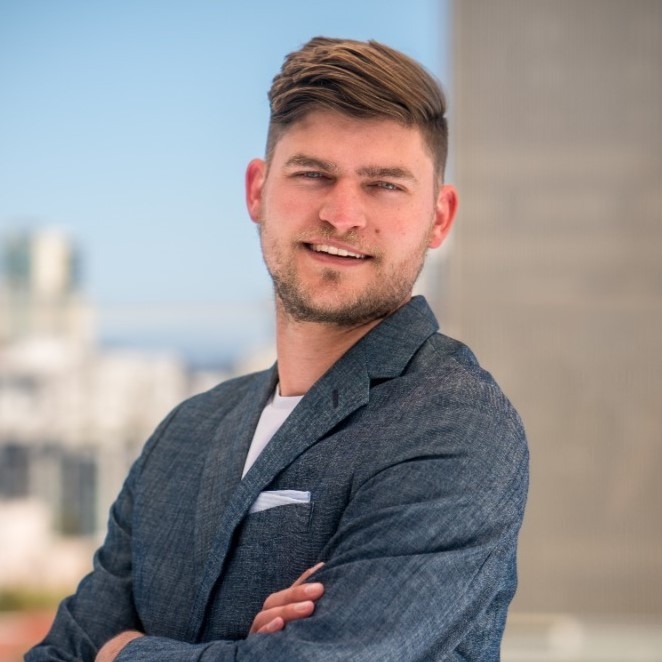
| June |
|
Friday, June 7 “The Intersection of Immigration & Family Law” 2 hour MCLE, including 0.5 hours of ethics |
|
|
Friday, June 14 “Legal Development Impacting Employer DEI Initiatives” 1 hour MCLE, no ethics |
|
|
Friday, June 28 “Appellate Procedure Update” 1 hour MCLE, no ethics |
|
| July |
|
Friday, July 12 “Representing and Questioning Individuals with Mental Illness” 1 hour MCLE, including 0.5 hours ethics |
|
|
Friday, July 26 “Medical Provider Discovery in Personal Injury Cases” 1 hour MCLE, no ethics |
|
| February |
|
February 2 “Overview of the Inflation Reduction Act's New Methane Tax” 1 hour MCLE, no ethics |
|
 The Inflation Reduction Act added the first ever direct “charge,” which acts as a tax, on methane emissions. The tax became effective January 1, 2024 and is based on Subpart W of the Greenhouse Gas Reporting Rule. This CLE will give a high-level view of how the tax works and challenges to expect in implementing it.
|
February 9 “SEC Cybersecurity Disclosure Rule – Practical Guidance & Compliance” 1 hour MCLE, no ethics |
|
|
February 16 “Is Perfect the Enemy of Good? The Drafting of Arbitration Clauses in an International Context” 1 hour MCLE, no ethics |
|
|
February 23 “Your First or Next Commercial Lease” 1 hour MCLE, no ethics |
|
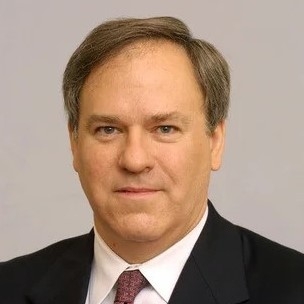
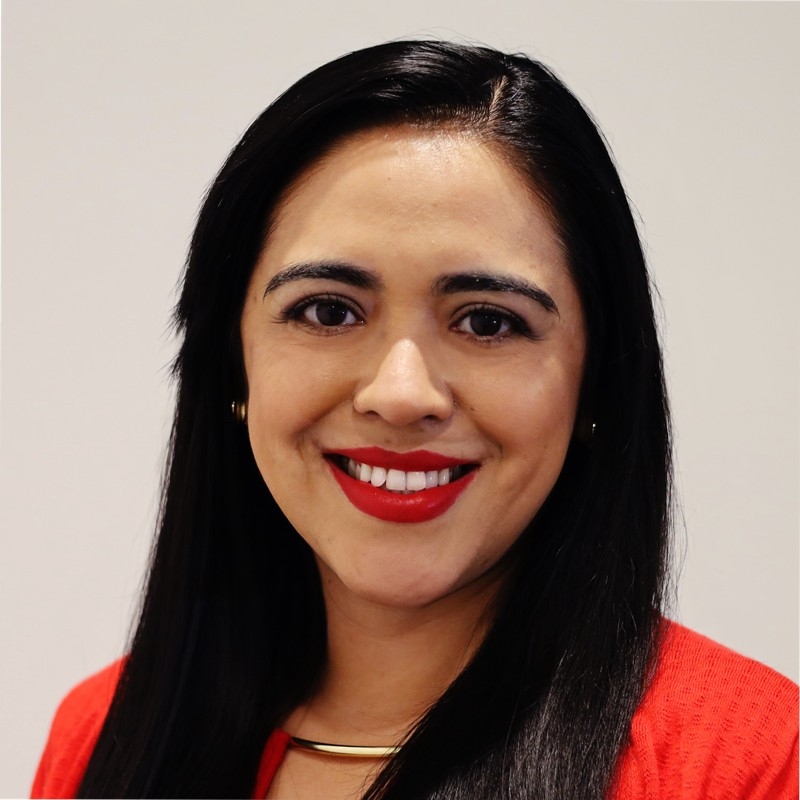 At the end of this panel discussion, attendees should be able to draft legally binding arbitration agreements that provide how disputes will be resolved through arbitration rather than traditional litigation. These agreements specify key elements such as the choice of arbitration rules, the arbitrators, and the seat of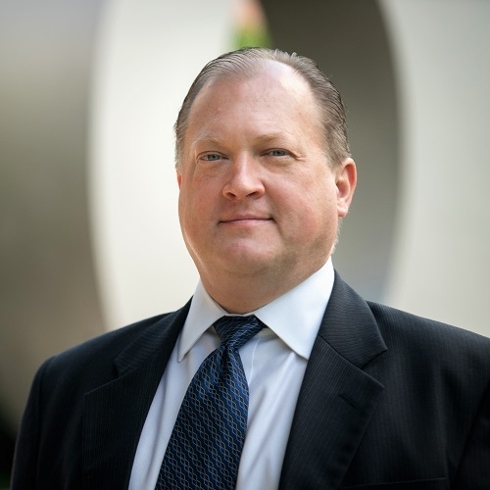
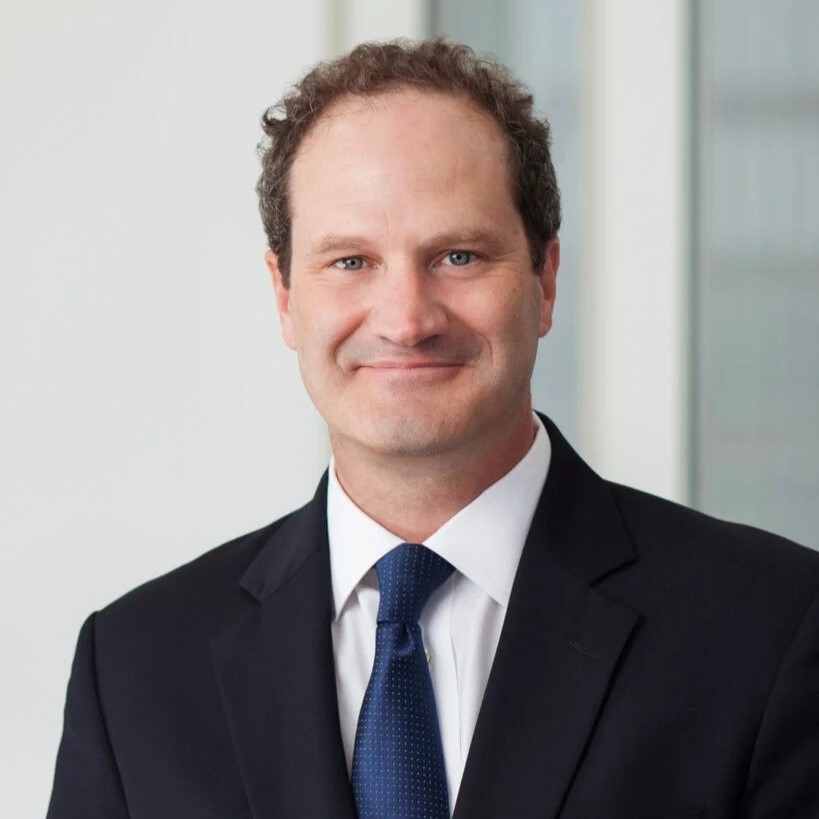 arbitration, providing a structured framework for resolving potential conflicts outside of court.
| March |
|
March 1 “Cannabis and Psychedelics: Are They Legal?” 1 hour MCLE, including 0.25 hours of ethics |
|
|
March 8 “Trends and Hot Topics in the Texas Citizen Participation Act” 1 hour MCLE, including 0.25 hours of ethics |
|
|
March 15 “Best Practices in Representing, Presenting, and Cross-Examining Child Witnesses” 1 hour MCLE, including 1 hour of ethics |
|
|
March 22 “Ethics Before the Storm” 1 hour MCLE, including 1 hour of ethics |
|
 This webinar will address best practices in representing, presenting, and cross-examining child witnesses ethically and correctly from all practice angles. Ms. Canales will speak to her experience in representing children, preparing children for court, and what you should think about as an attorney representing children in court. Ms. Swan will speak on her experience and recommendations in preparing child witnesses to testify, directing and cross-examining child witnesses, and strategies and resources to reduce the potential trauma of being a child witness. This webinar will address ethical practices to effectively represent, present, and cross-examine child witnesses while also minimizing the potential trauma to the children due to their involvement in litigation, particularly family and criminal litigation
| April |
|
April 5 “Texas Supreme Court Update” 1 hour MCLE, no ethics |
|
 Jay Jackson and Brian Humphrey will analyze important Texas Supreme Court cases from 2023
|
April 19 “The Employment Lawyer's Guide to Welcoming a Gen "Z" Workforce” 1 hour MCLE, including 0.5 hours ethics |
|
|
April 26 “How to Manage a Difficult Client – When to Get Out; How Do You Deal with Opposing Counsel in a Professional Manner (Finding Humanity)” 1.5 hours MCLE, including 0.5 hours ethics |
|
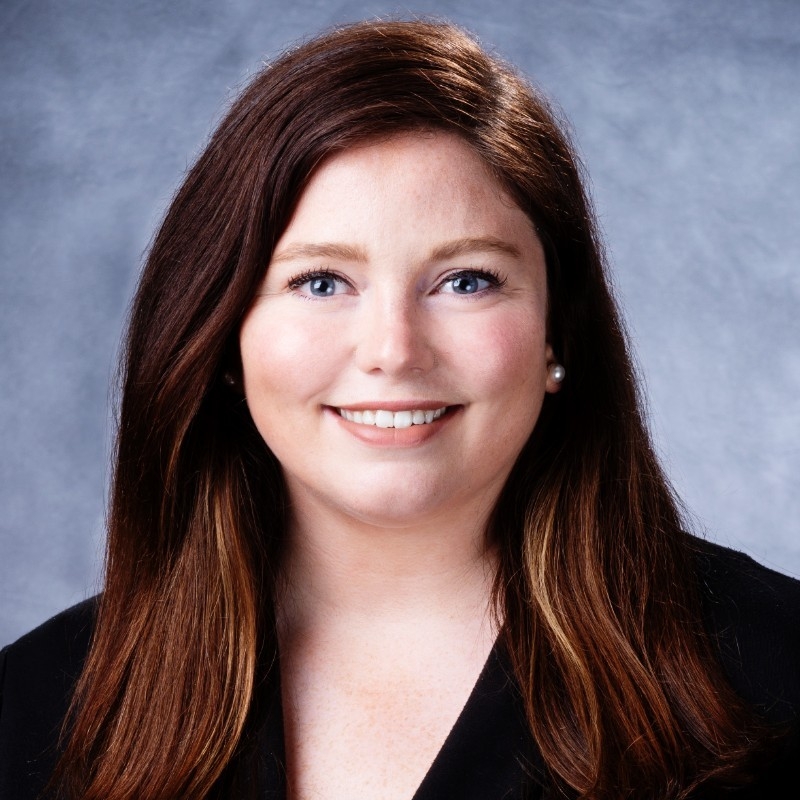
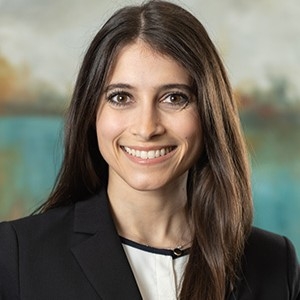
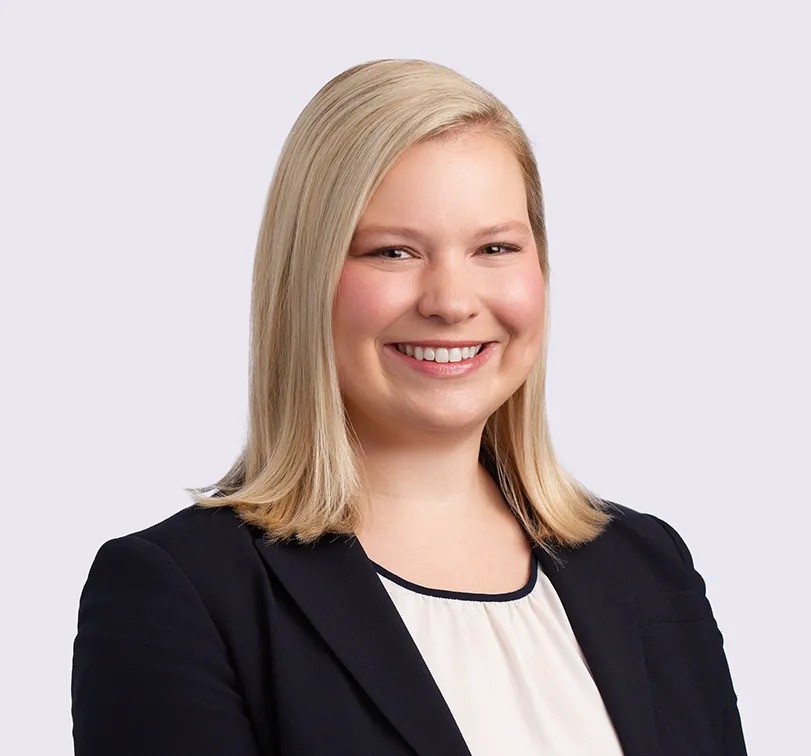 “The Employment Lawyer’s Guide to Welcoming a Gen ‘Z’ Workforce” discusses the implications of the newest, youngest generation entering the workforce, including how daily expectations of employers will have to change, what incentives or perks employers may be required to offer to induce good Gen Z workers. Gen Z expects more vacation time, transparency, and pay – this presentation will discuss (from both a legal and societal aspect) how to adapt the workforce to meet Gen Z’s needs but keep business profitable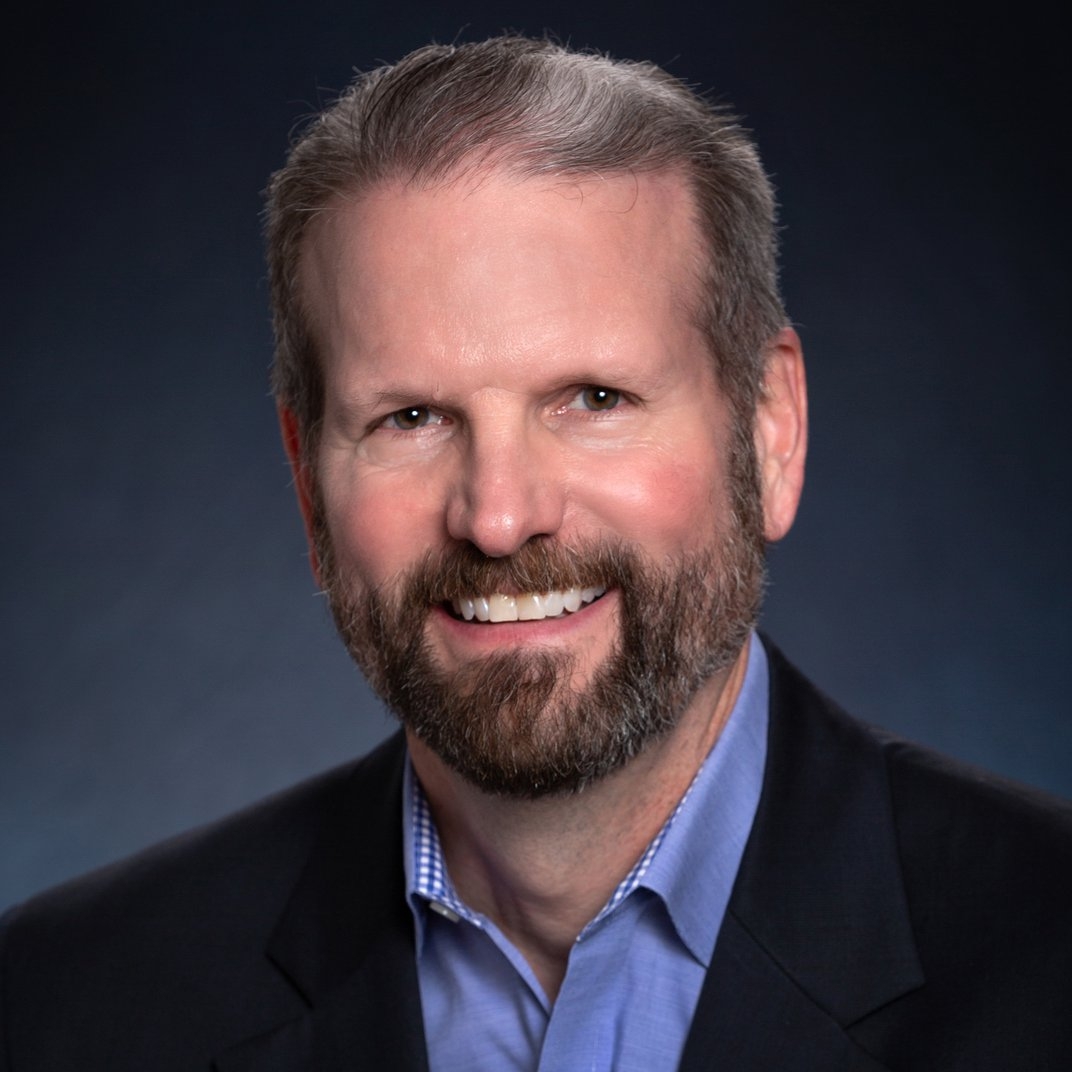
.png)

|
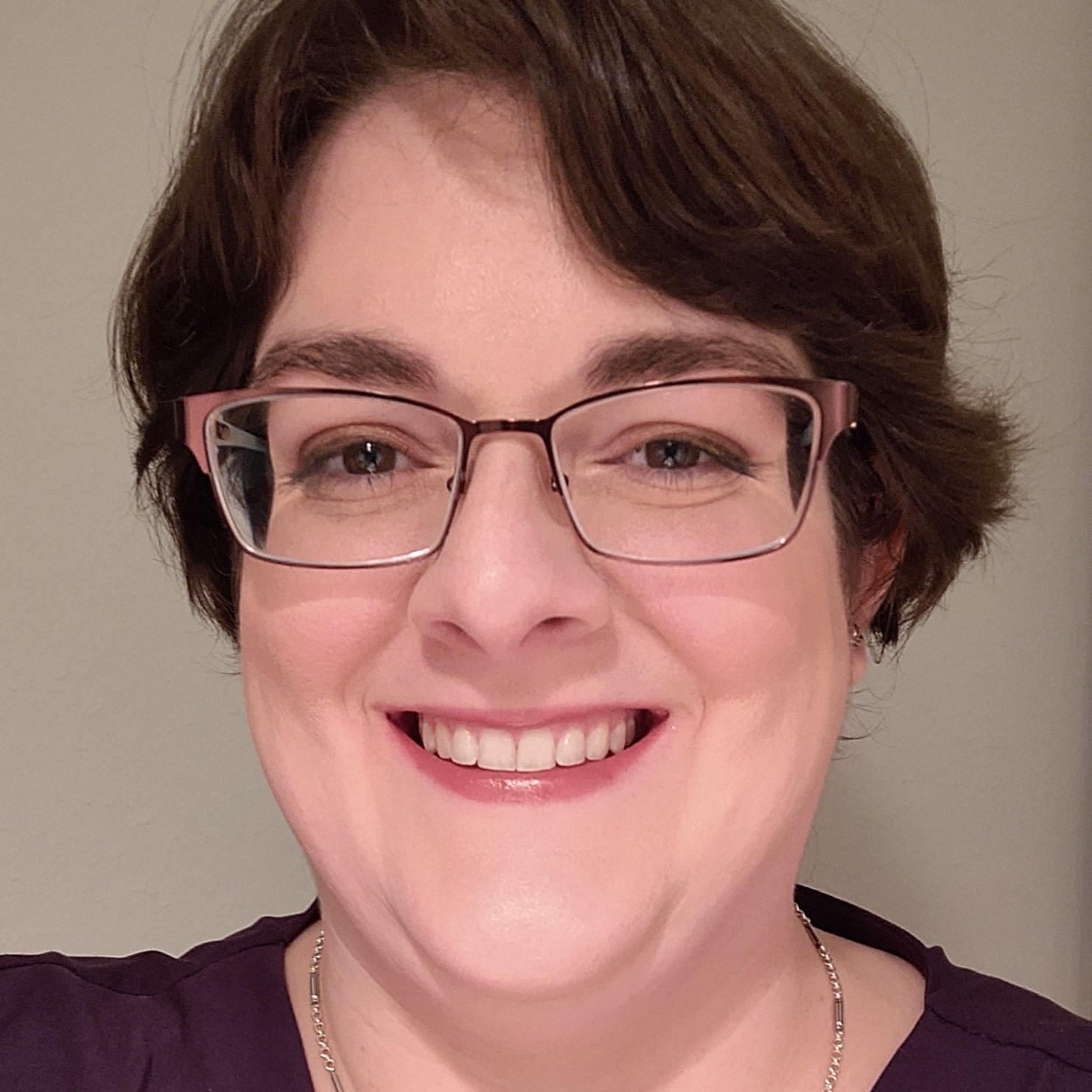
August 11 “Top Tips for an Effective Voir Dire” 1 hour MCLE, including 0.25 hours of ethics |
|
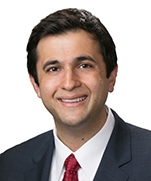 Voir dire is your first and longest chance to interact with your potential jurors. This is the time to connect with them, understand their perspectives, and frame the thesis of your case. While every question you ask should be geared toward understanding their perspective, you can provide your side’s perspective at the same time so that they can get a better understanding of who you are and what side you represent. Deciding who to strike has been the subject of thorough case law and has reached the Supreme Court of the United States. Racial and gender bias must be guarded against when you’re deciding who to strike. A portion of this talk will focus on how to ethically evaluate the venire panel while not depriving jurors of their Constitutional right to serve on a jury because of their race or gender.
|
August 18 “Remote Online Notarization for Law Firms” 1.0 hour MCLE, no ethics |
In this seminar you will learn what remote online notarization is, the benefits of using it, what cases can use it, why it is a more secure method of notarization, and how remote online notarization is impacting the legal community. |
.jpg)
|
August 25 “When Close Isn't Good Enough: How to Automate Your IOLTA Reconciliation” 1 hour MCLE, including 1 hour of ethics |
|
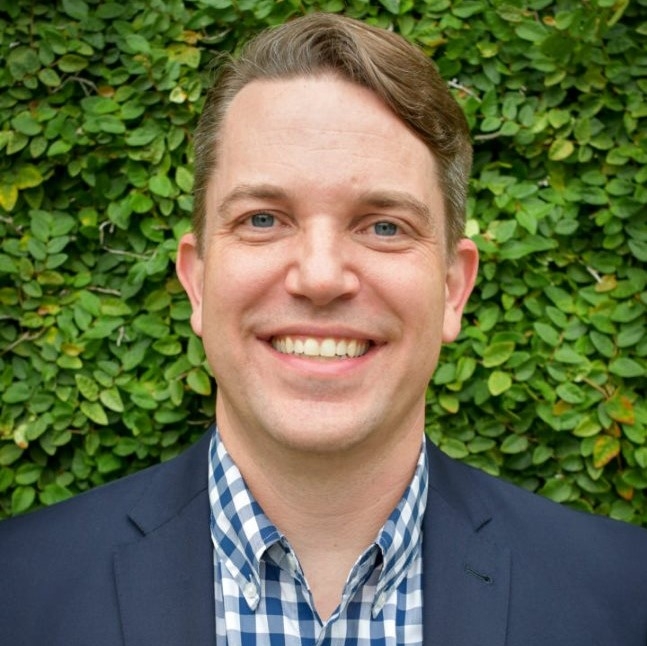 Close doesn’t count when it comes to your IOLTA reconciliation. It’s either accurate or you’re in potential hot water with the Bar. But today’s practice management technology will allow you to automate the reconciliation process so you are always in compliance. Learn how so you don’t make a mistake.
|
September 8 “Surviving the Worldwide Cyber Pandemic” 1 hour MCLE, no ethics |
|
|
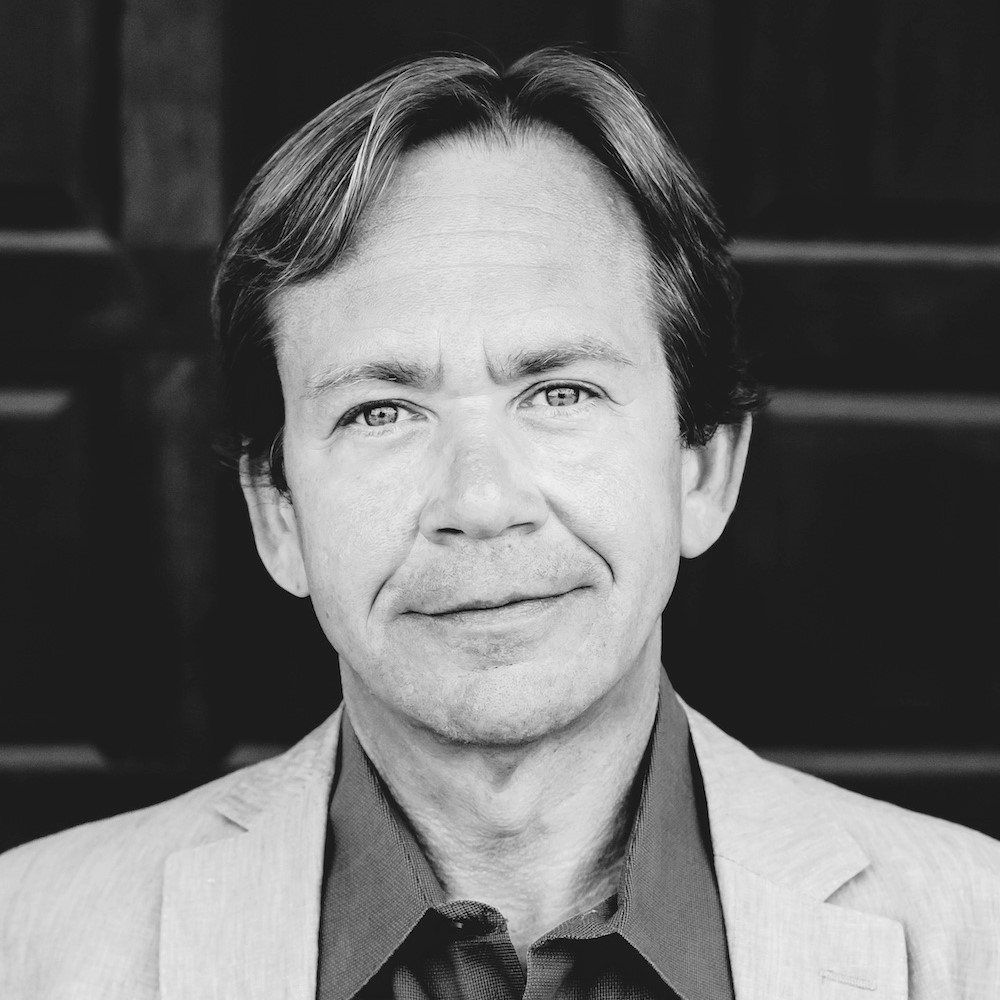
September 22 “They Can Help With THAT! – How the Harris County Domestic Relations Office can help your clients in family law matters” 1 hour MCLE, no ethics |
|

|
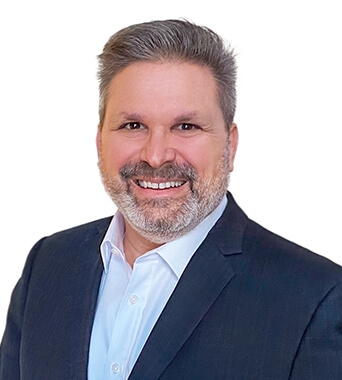
October 13 “Electronic Evidence in the Era of Ephemeral Messaging, Social Media, and the Internet of Things” 1 hour MCLE, no ethics |
|
|
October 20 “The Ethics of AI in Litigation” 1 hour MCLE, including 0.25 hours ethics |
|
|
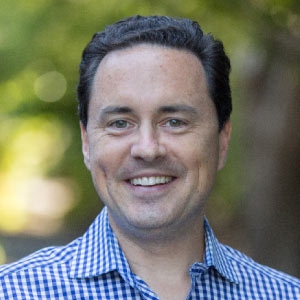
October 27 “Risks and Rewards of Using Artificial Intelligence for Document Drafting” 1 hour MCLE, no ethics |
|
.png)
|
May 5 “Updates in Construction Law” 1 hour MCLE, no ethics |
|
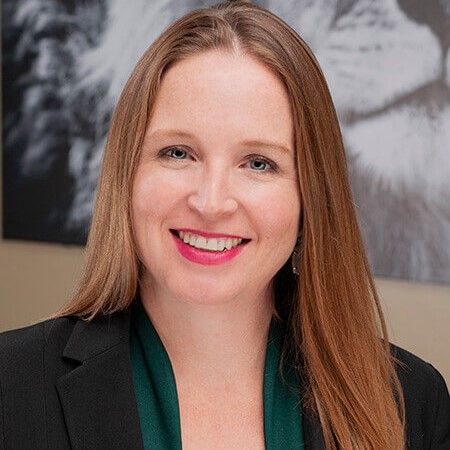 Karalynn Cromeens will provide an update for recent events and topics of interest concerning Construction Law.
|
May 12 “Understanding the Legal Implications of Surveillance and Spying in Your Next Case” 1.5 hour MCLE, no ethics |
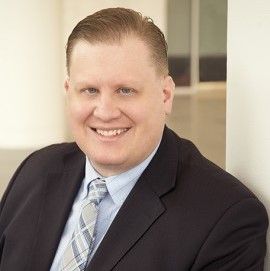
A thorough discussion on the Electronic Communications Wiretap Act, Texas Wiretap Act, common law invasion of privacy, tracking devices, social media stalking, drones, facial and license plate recognition and other modern day surveillance issues in civil litigation. |
|
May 19 “The Intersection Between Health Care and Employment” 1 hour MCLE, no ethics |
|
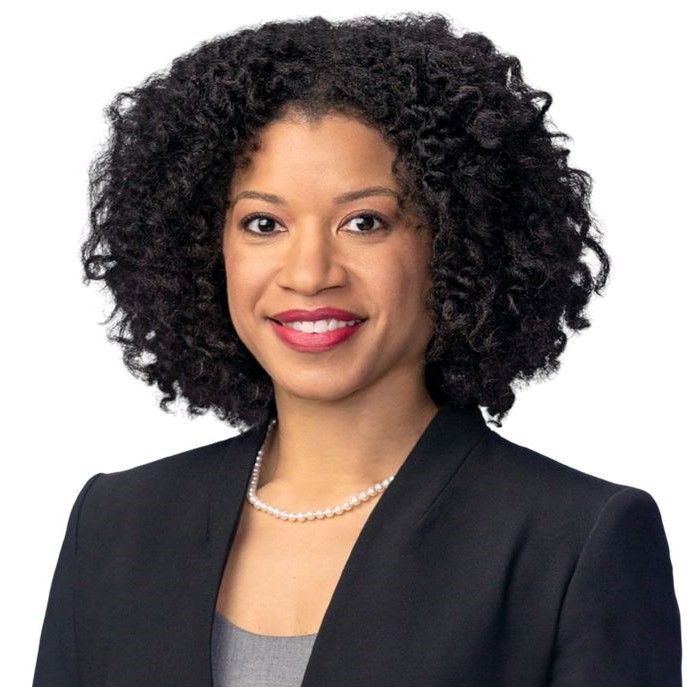
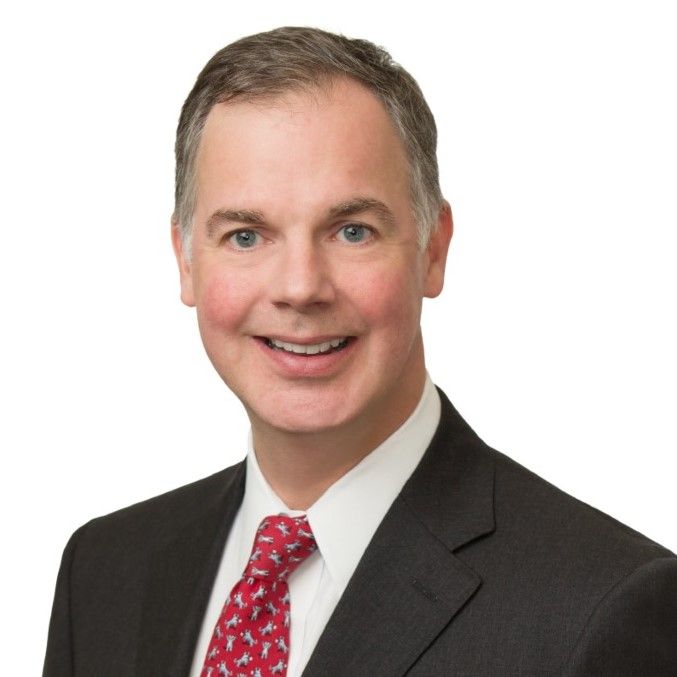 In this seminar, we will discuss timely and pressing employment law issues particular to health care.
.png)
|
June 2 “Maritime Law: Foundations of Modern Civil Practice” 1 hour MCLE, no ethics |
|

|
June 9 “Introduction to Texas Condemnation Matters” 1 hour MCLE, no ethics |
|
|
June 23 “One Lie Spoils a Thousand Truths: Trends and Questions in Spoliation Claims Since Brookshire Brothers” 1 hour MCLE, no ethics |
|
|
June 30 “Combating Bias and Stigma Relating to Opioid Addiction or Opioid Use Disorder: Working with clients and colleagues in the legal field” 1.5 hours MCLE, including 1.5 hours ethics |
.png)
In this ethics seminar, Deborah Wotring, a civil litigation attorney with 30 years' experience who is currently working on her master's degree in social work, together with social work researcher and licensed counselor Christine Bakos-Block, Ph.D., LCSW-S will discuss ways to combat stigma and bias when representing clients and interacting with colleagues suffering from opioid use disorder. The seminar will also include a discussion concerning current research on one medication being prescribed for opioid use disorder, Suboxone, and the controversy surrounding its use. |
.png)
|
July 14 “Litigating Religious Discrimination Claims” 1 hour MCLE, no ethics |
|
|
July 21 “Beyond the Bench: The Role of Judges in Ensuring Fairness in Voir Dire, Trial, and Jury Instructions” 2 hour MCLE, including 0.5 hours ethics |
|
|
July 28 “Proving Up Attorney's Fees” 1 hour MCLE, including 0.25 hours ethics |
|

|
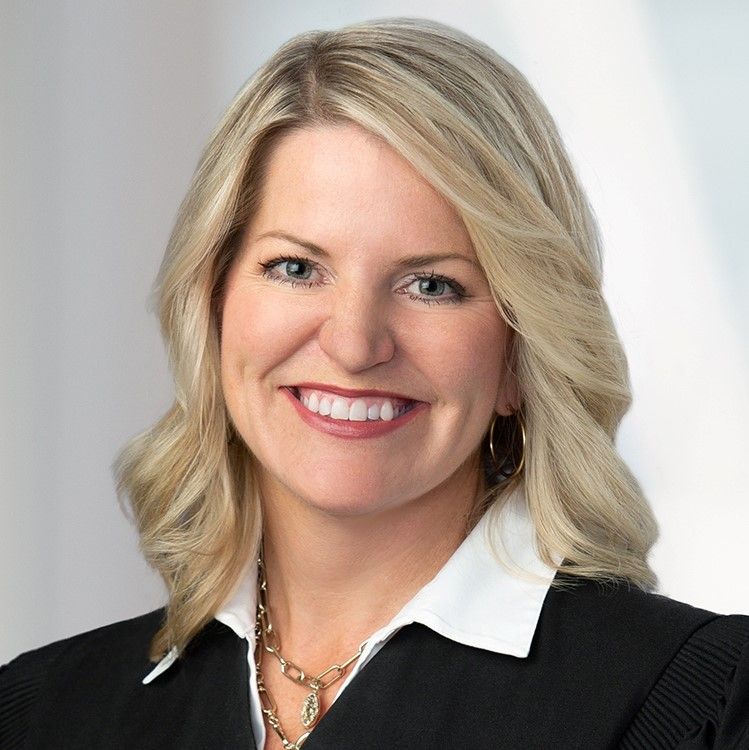
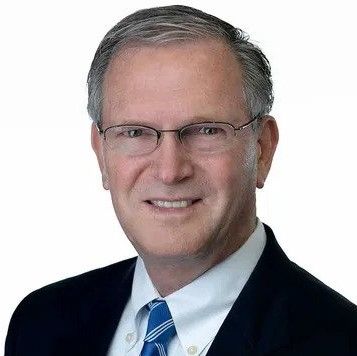
February 3 “60 Observations in 60 Minutes” 1 hour MCLE, no ethics |
|
 This presentation will cover how to better try lawsuits based on tips and insights that Judge Wilson has accumulated and observed serving on the bench and practicing in the courtroom over the years.
|
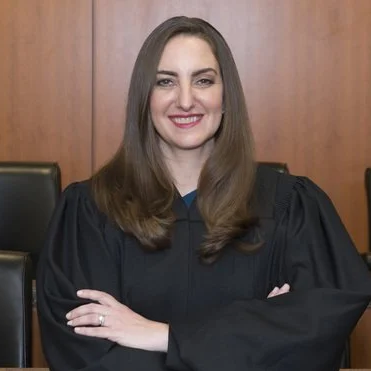
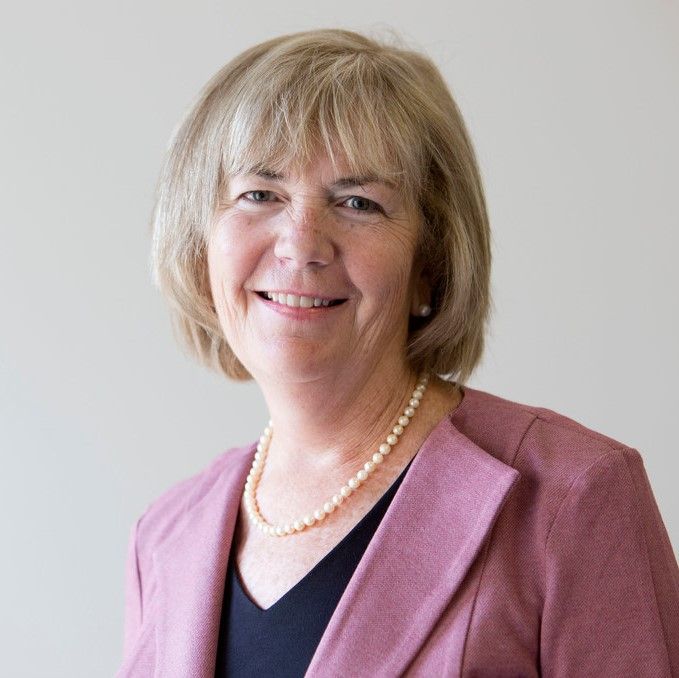
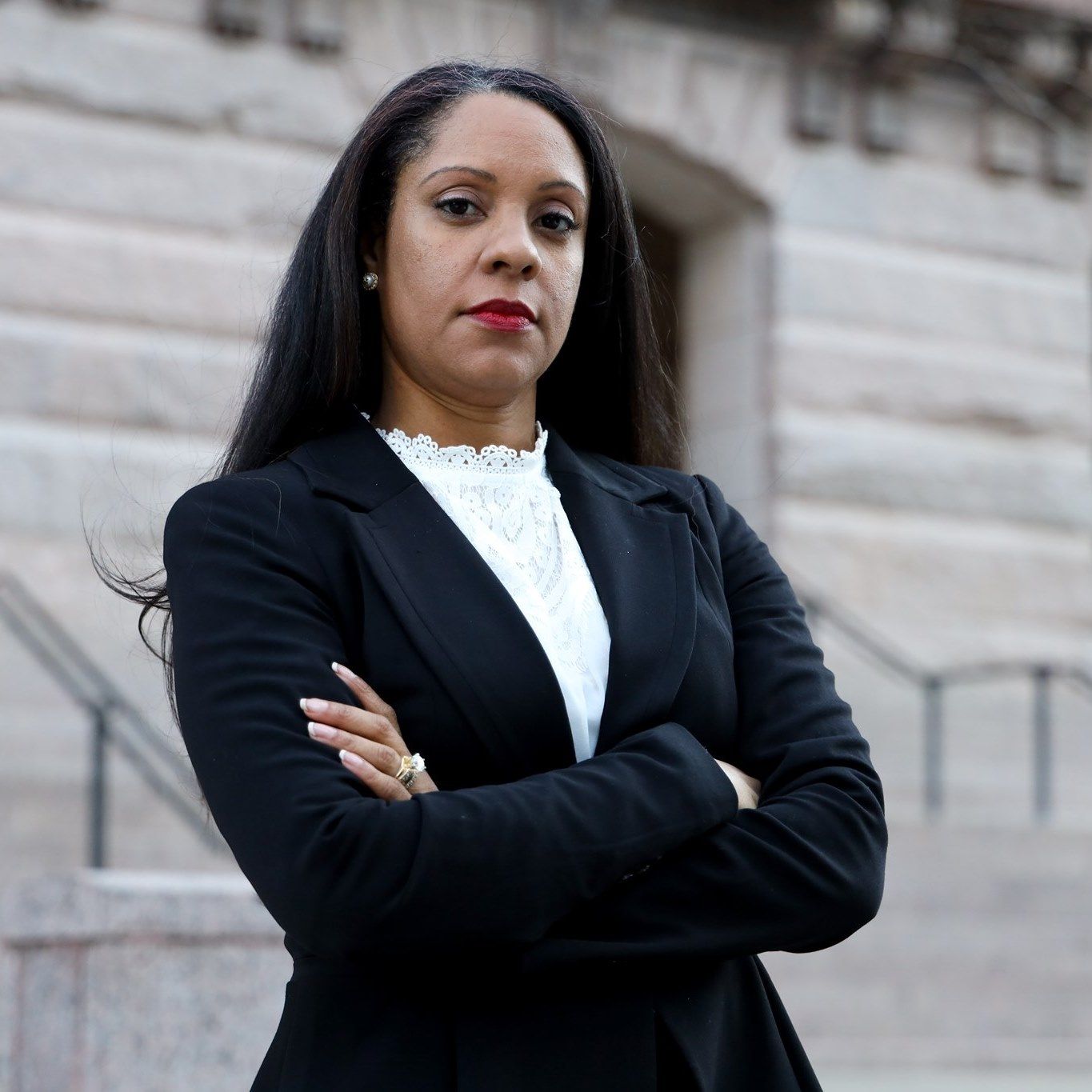
February 10 “Everything You Ever Wanted to Know About Civil Court and Were Afraid to Ask!” 1 hour MCLE, no ethics |
This program will cover tips and tricks and civil court procedure in civil district court in Harris County.
|
|
February 24 “A Clash of Two Congressionally Constructed Titans: FERC v. Bankruptcy Court Jurisdiction” 1 hour MCLE, no ethics |
|
 The jurisdictional question of whether FERC-regulated power and natural gas contracts can be “rejected” in bankruptcy cases like other contracts—or require separate FERC approval, as the agency claims—has been litigated for years, with the most recent major decision issued by the 5th Circuit (In re Ultra Petroleum, 28 F.4th 629 (5th Cir. 2022)). Our panel will discuss this and other key decisions, providing
  uncertainty in future litigation.
|
March 3 “The Evolution of Federal Mail and Wire Fraud and Its Effects on Corporate Investigations and White-Collar Practice” 1 hour MCLE, no ethics |
|
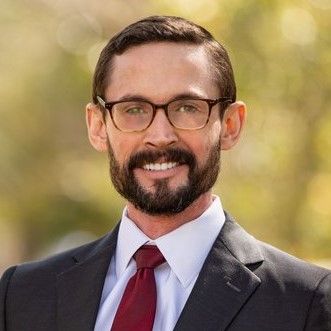 This term, the Supreme Court granted certiorari in Ciminelli v. United States, which asks whether the “right to control” theory of fraud—depriving a victim of potentially valuable economic information necessary to making economic decisions—states a valid basis for federal wire-fraud liability. Ciminelli fits into a long line of cases involving the federal mail and wire fraud statutes, with the Supreme Court often narrowing their scope. In this seminar, we will review the recent history of fraud cases and discuss ways in which Ciminelli may affect corporate investigations and white-collar practice moving forward.
|
March 10 “Advising Clients on Liability Issues in a Post-Dobbs World” 1 hour MCLE, no ethics |
|
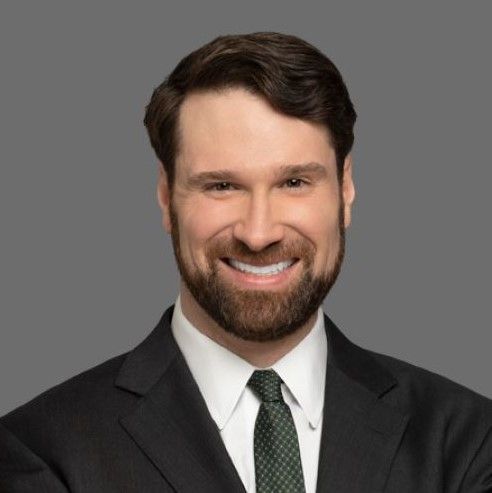 In the aftermath of the Supreme Court’s decision in Dobbs v. Jackson Women’s Health, clients are navigating a patchwork of novel, complex, and often conflicting state and federal laws and regulations. Texas in particular is a hot bed for new legislation and litigation concerning the reach of potential civil and criminal liability on individuals and entities, including corporate clients, for conduct that “aids or abets” abortion.
 civil and criminal liability that may impact corporate clients in the post-Dobbs legal landscape.
|
March 31 “This Land Is My Land: What's New in Adverse Possession, Title Disputes, and Partitions” 1 hour MCLE, no ethics |
|
 This presentation will provide an overview of the notable cases in title litigation over the last five years. The cases covered will include those handling adverse possession, quiet title, title disputes, and partition actions.
|
April 21 “Legal Issues Surrounding Digital Assets & Professional Sports” 1 hour MCLE, no ethics |
This will be a panel discussion on emerging legal |
|
April 28 “Pulling the Curtain Back on Grand Jury Investigations” 2 hour MCLE, including 0.5 hours ethics |
|
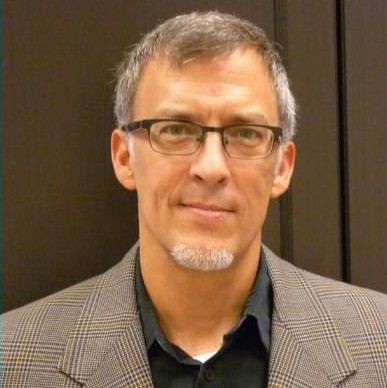 Harris County Grand Jury Division Chief will take a deep-dive into the Grand Jury process in Harris County to explain to attorneys: (1) “how it works,” including how grand jurors are selected, how often they meet, and what all goes before them, (2) the statutory secrecy provisions and ethical considerations in presenting and investigating criminal activity before the Grand Jury, and (3) the dos and don’ts of representing a client called to testify or to produce records before the Grand Jury. Both the Texas Code of Criminal Procedure and Professional Rules mandate Grand Jury proceedings be handled with the highest level of discretion and secrecy. Chief Stayton will review of these provisions and provide sound counsel on how best to proceed when called upon to produce a client or records before the Grand Jury.
.png)
|
November 4 “Yet More Tips and Traps in Appellate Procedure” 1 hour MCLE, including 0.5 hours ethics |
|
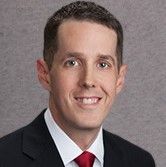
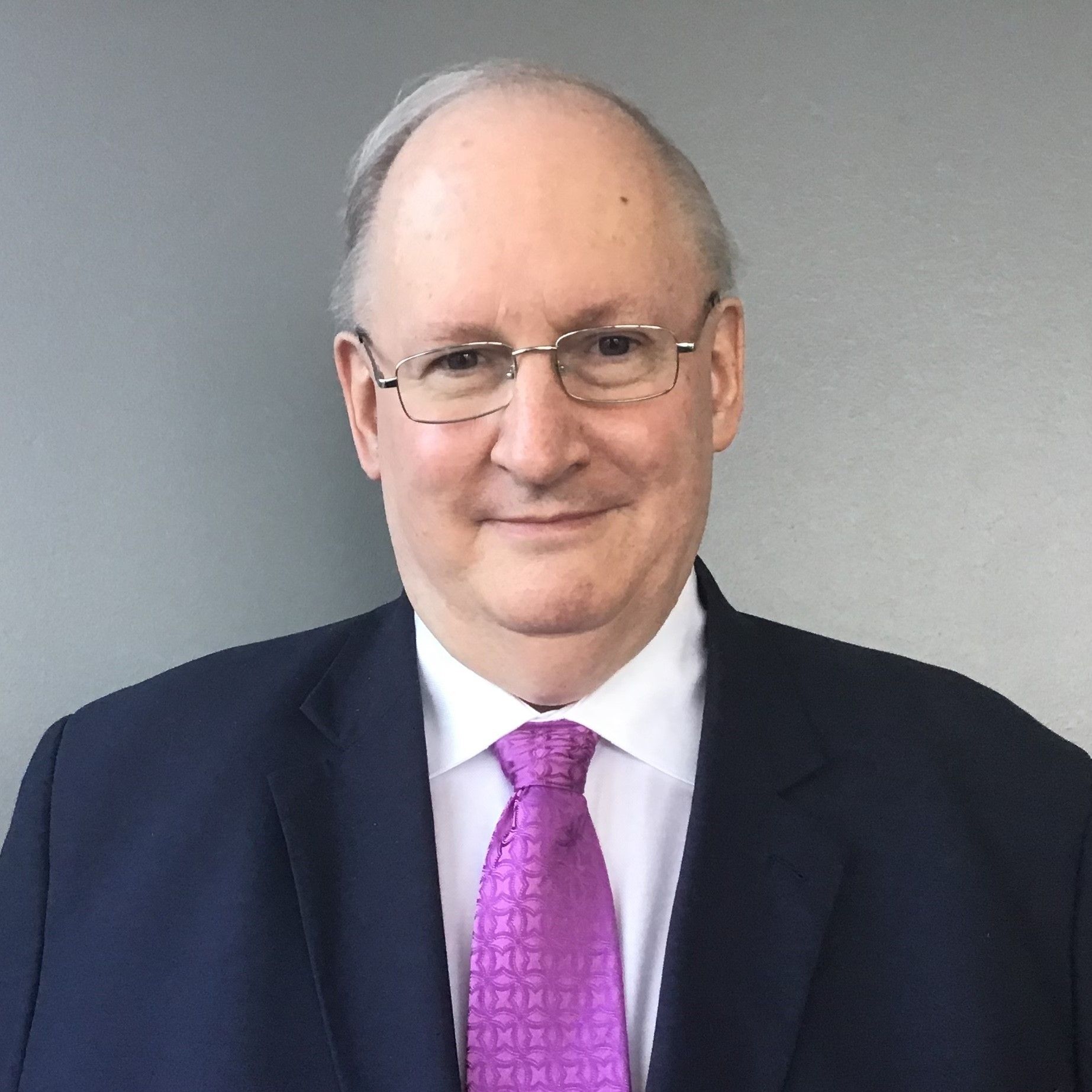 Hear from David C. Holmes, Jim Marrow, and Lucy Forbes’s decades of experience as they review and assess recent federal and state civil appellate trends and decisions issued by the Supreme Court of Texas, Texas Court of Appeals, and the United States Court of Appeals for the Fifth Circuit, with an emphasis on
 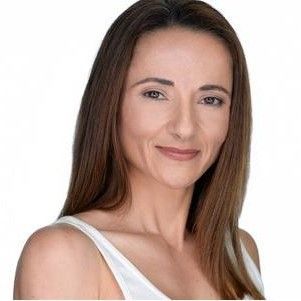 issues of professional responsibility. This presentation will cover ethical issues raised in opinions for practitioners to abide; review and address the application of the Standards of Appellate Conduct (promulgated by the Texas Supreme Court in 19999); and address the Disciplinary Rules, as applicable.
|
November 11 “Current Trends in Renewable Energy: Greenwashing, ESG, and the Inflation Reduction Act” 1 hour MCLE, no ethics |
|
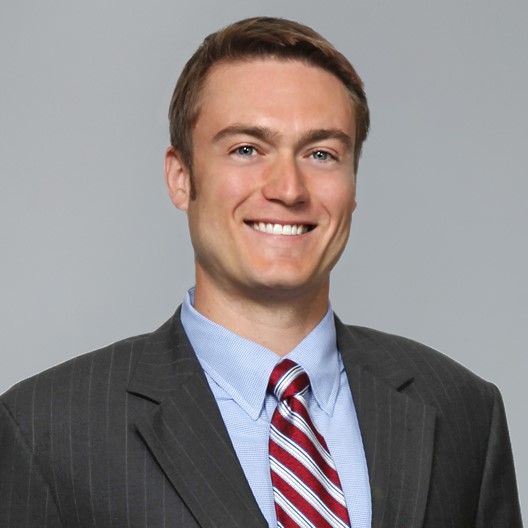
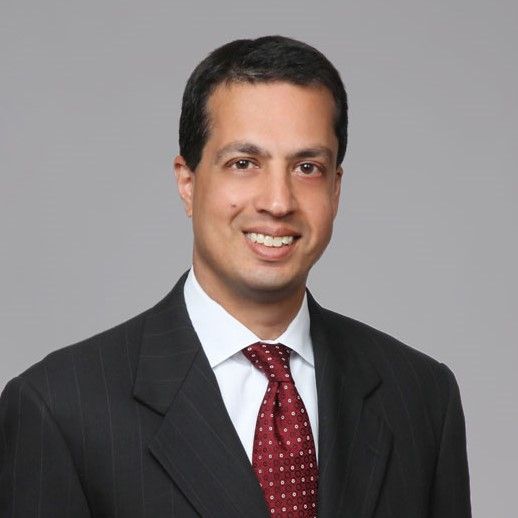 The pace of change in the renewable energy space continues to accelerate. This CLE session will analyze three areas of new developments in that space. First, we will summarize the significant changes spurred by the Inflation Reduction Act, signed into law by President Biden in August.
 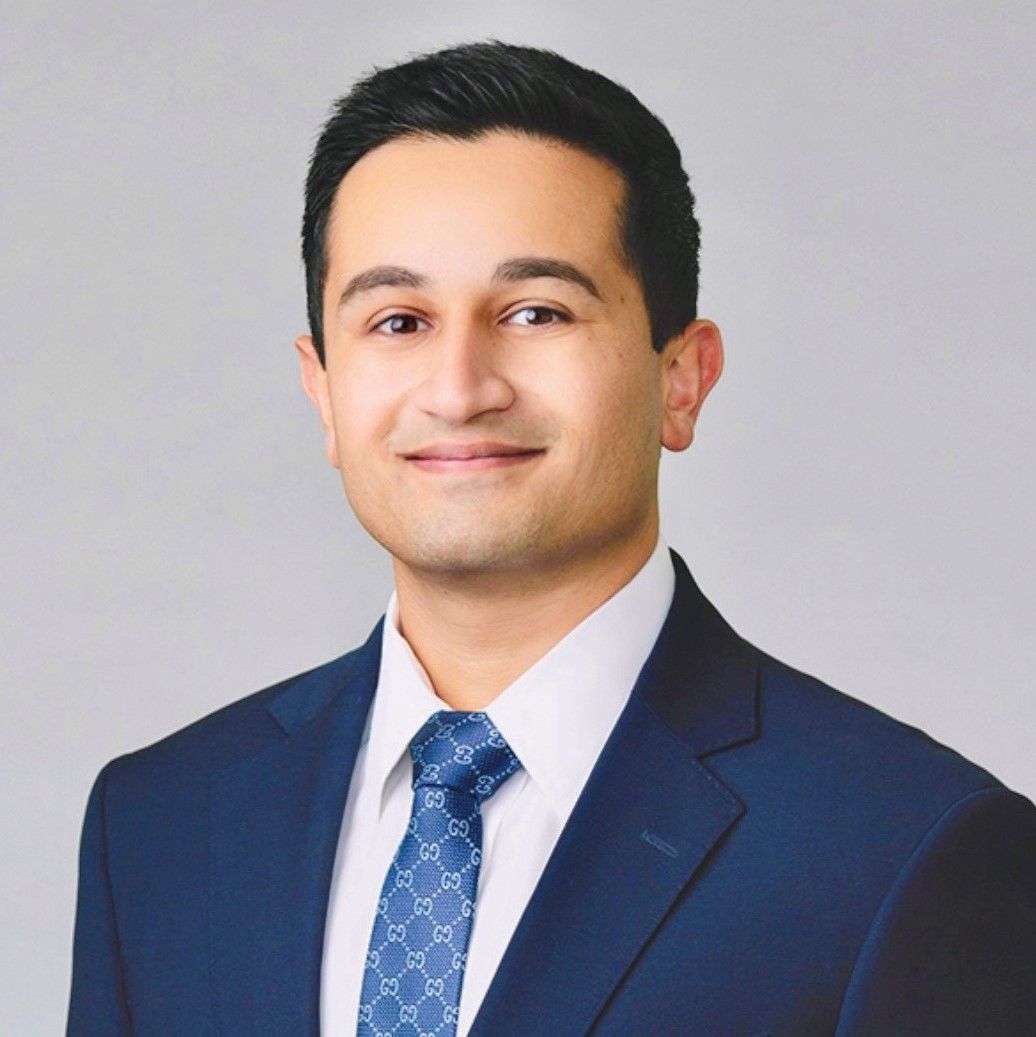 Second, we will address the proposed climate disclosure rule under the Securities Exchange Commission. Finally, we will discuss developments in “greenwashing” and the litigation that results from that practice.
.png)
|
December 2 “Out of State Discovery: How to Propound and Respond to It” 1 hour MCLE, no ethics |
|
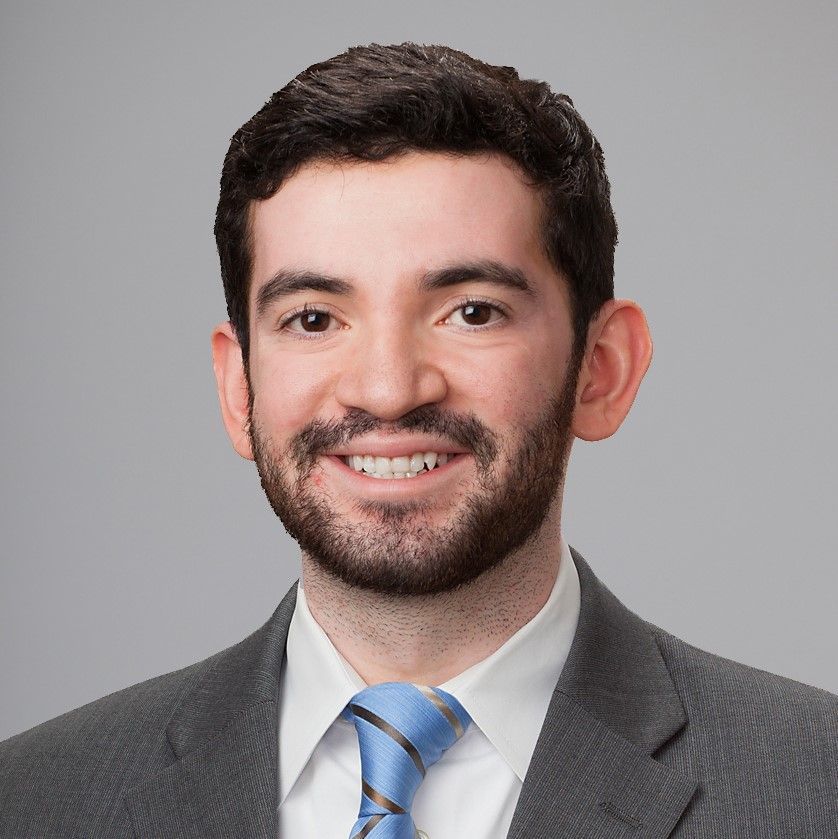 This CLE seminar will give an overview of conducting out of state discovery in Texas. Because Texas has not adopted the Uniform Interstate Depositions and Discovery Act (UIDDA), it differs from a majority of states. The presentation will include procedure of conducting the discovery, common issues that arise, and tips in avoiding those issues.
|
December 9 “Lessons Learned from My First Few Years as In-House Counsel: an HBA Young Lawyers Panel” 1.5 hours MCLE, no ethics |
|

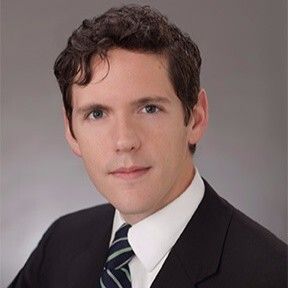
 as for external counsel.
|
December 16 “Space Needs our Due Regard” 1 hour MCLE, no ethics |
|
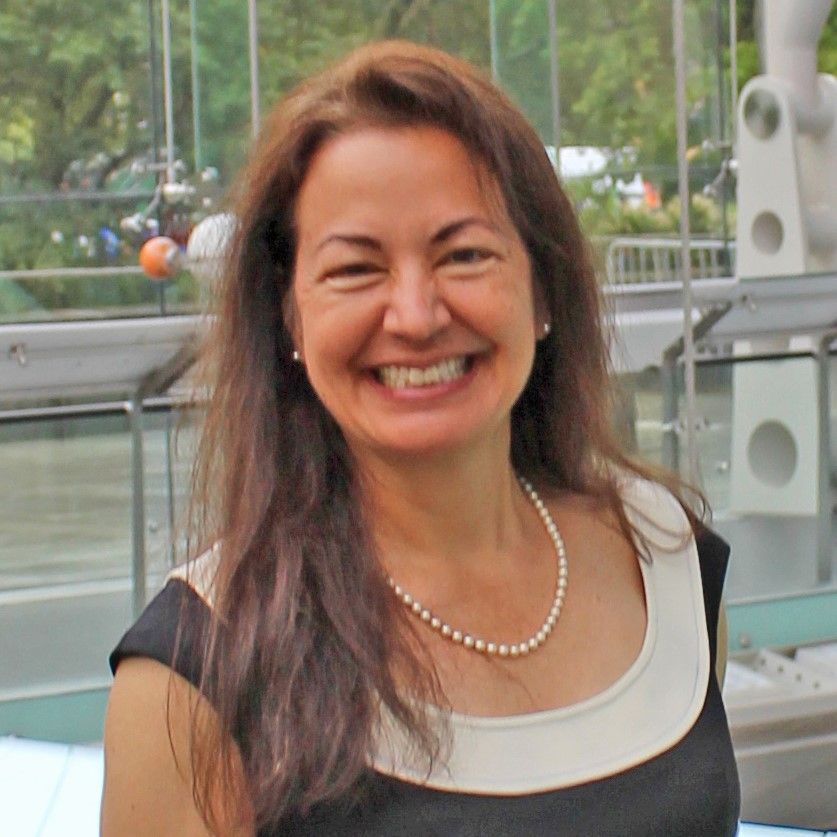 Space – what’s going on up there and why do we care? In addition to traditional space activities (telecommunications, remote sensing) there are a number of new ways that humans plan on harnessing space resources. While there are laws that apply in space, new technologies have exposed many gaps that – if not addressed properly – could lead to conflict. This presentation describes the current situation and laws and offers a way forward.
.png)
|
January 13 “How to Navigate the Mental Health Dockets and Courts in Harris County” 2 hours MCLE, including 1 hour ethics |
|
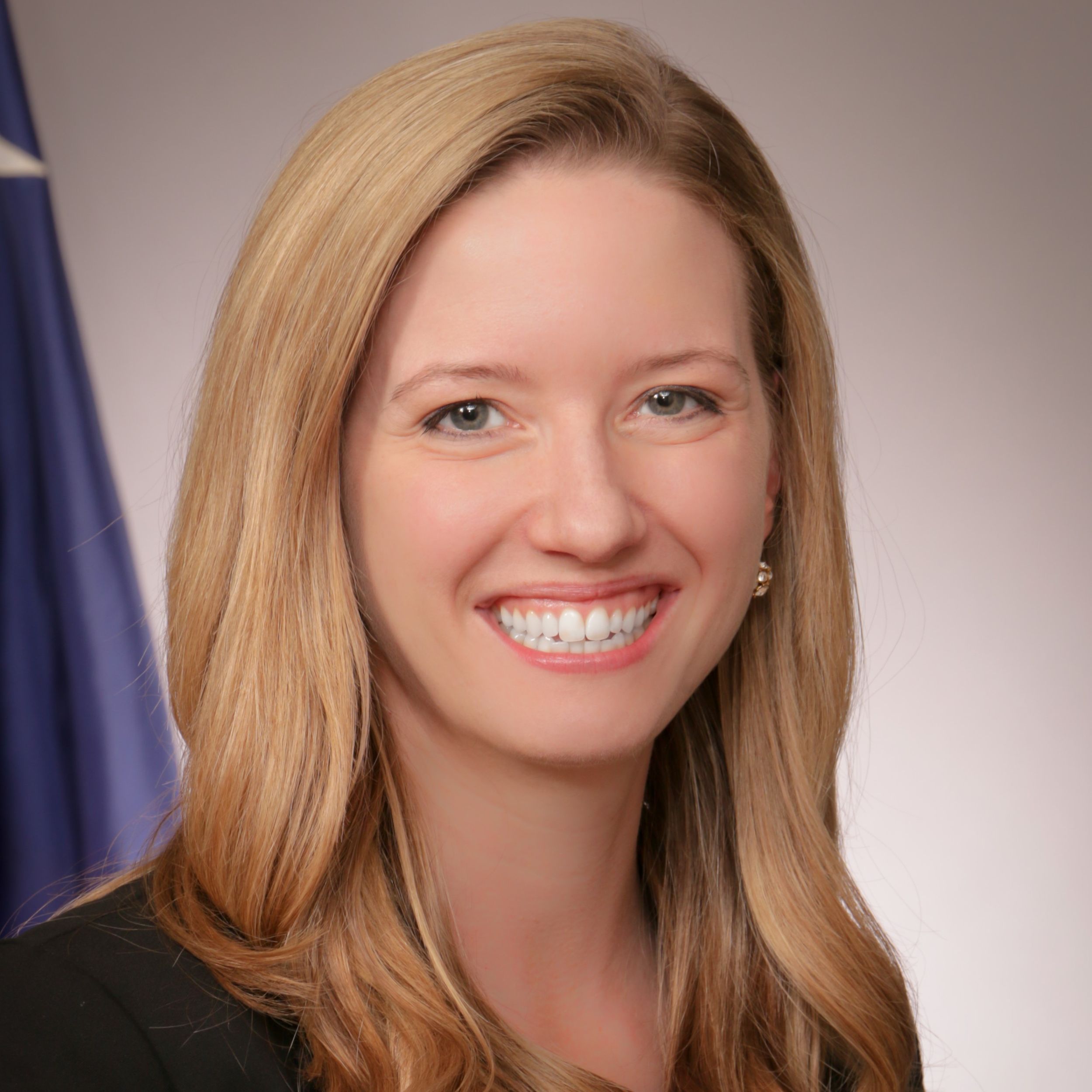
 This program will offer a full overview of the criminal case filings in Harris County and the legal issues that may arise as they pertain to mental health. It will cover competency, sanity, bond, 16.22, and what happens when someone is competent but mentally ill. It will also discuss the Mental Health Dockets and Courts and the Harris Center.
|
January 20 “State Bar Update: Succession Planning, Lawyer Well-Being and Grievance Education” 1 hour MCLE, including 1 hours ethics |
|
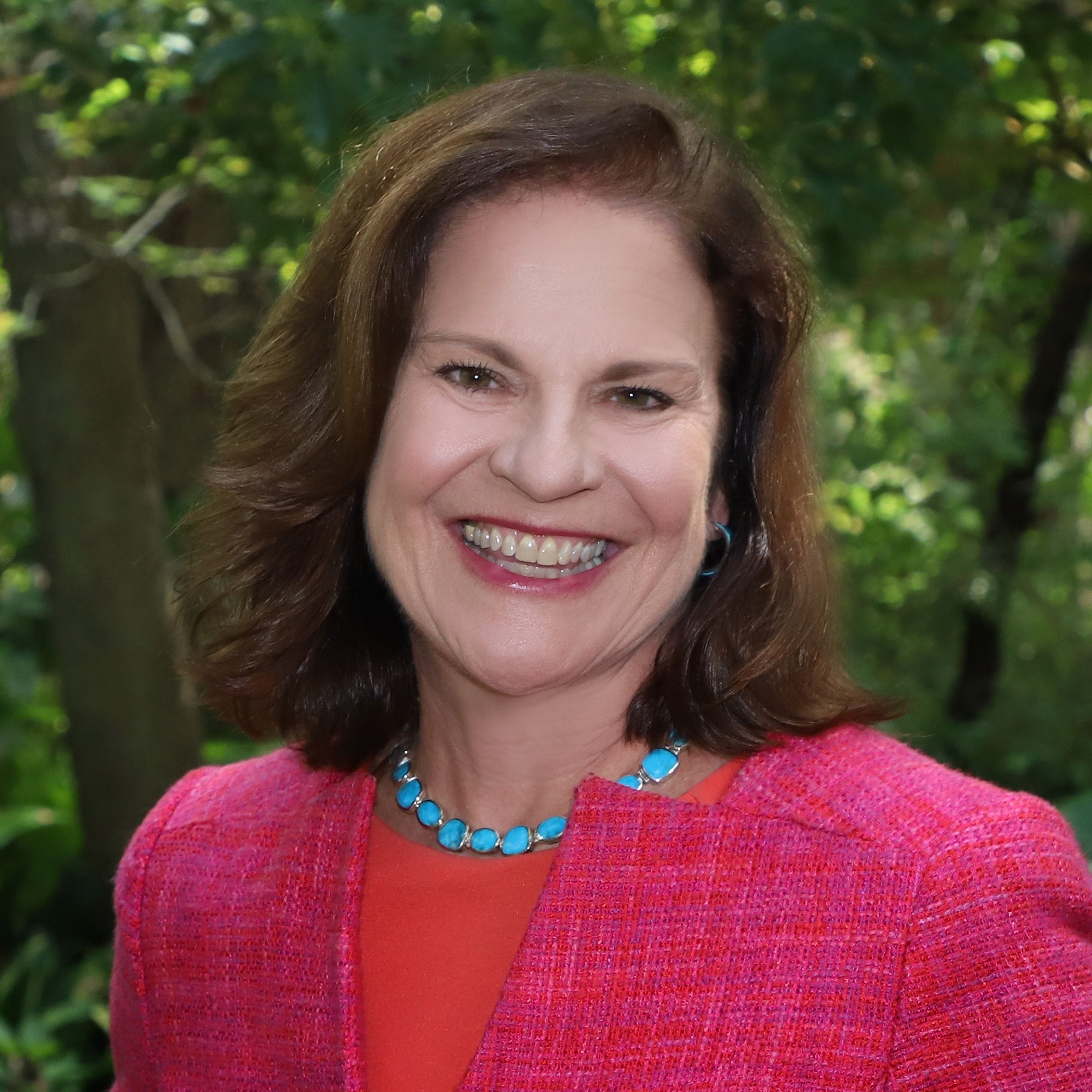 This presentation covers the growing need for attorneys to designate a custodian attorney in the event of cessation of practice, along with the State Bar of Texas resources available to assist lawyers with succession planning and other law practice management issues. The presentation also touches on the importance of attorney well-being and suicide prevention awareness, along with information to better understand the attorney grievance process. This program will cover grievance and professional responsibility.
|
January 27 “What's Hot at the EEOC and NLRB” 1 hour MCLE, no ethics |
|

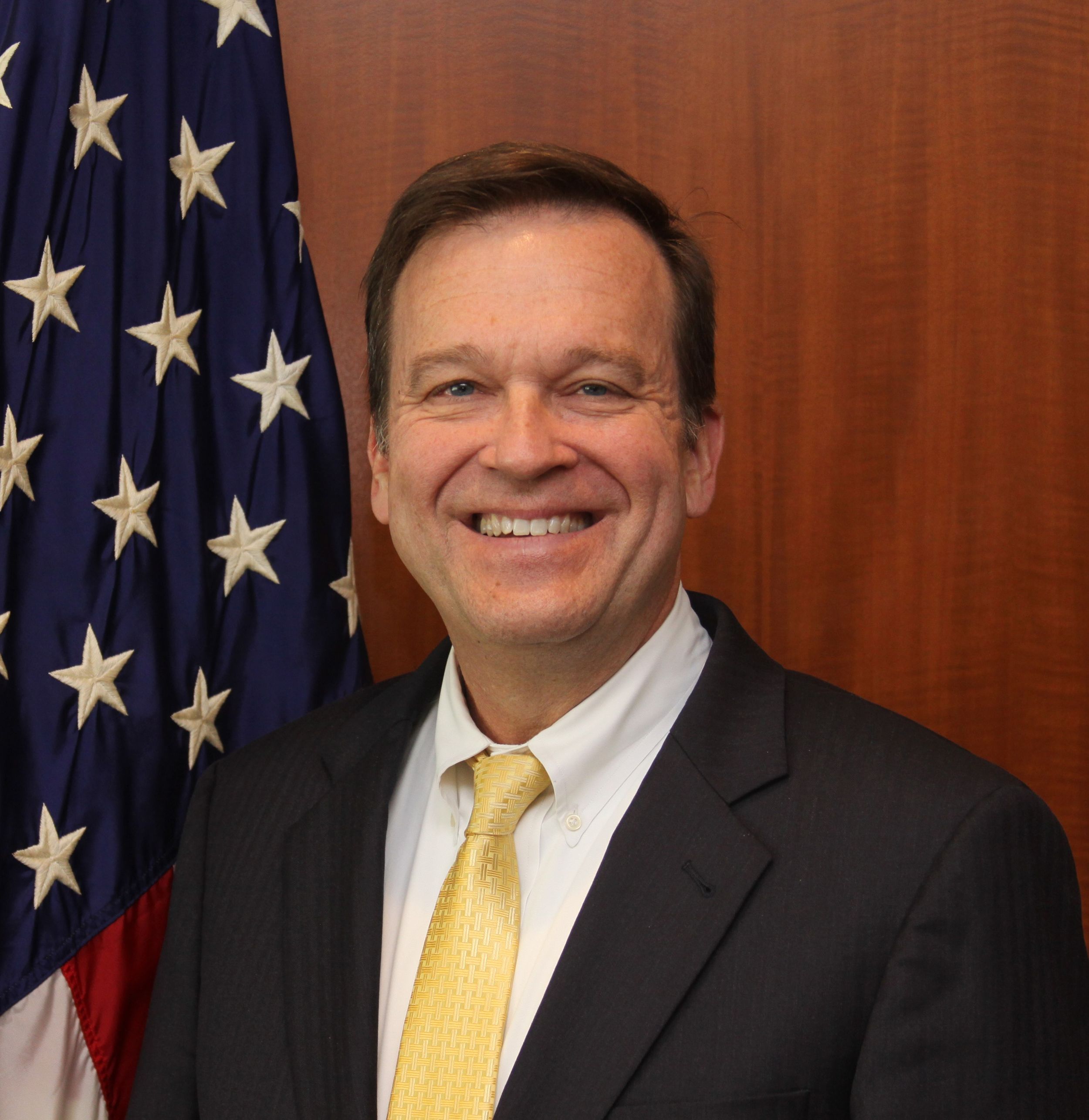 This seminar will cover basics and recent developments at the NLRB and the EEOC. It will cover common issues and claims we each deal with and the cross-over issues we both see.
|
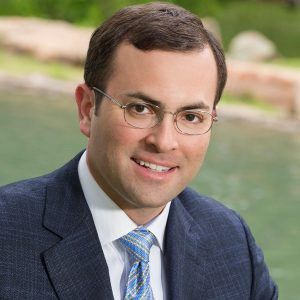
August 5 “Ramirez v. Collier; Why Did the Supreme Court Reverse 8-1 When An Inmate on Texas’ Death Row Wanted to Pray With His Pastor At the Time of Execution?” |
|
|
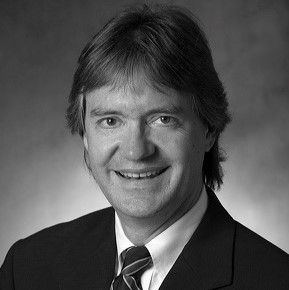
August 12 “Dealing With Objections to Written Discovery – The Modern Approach to Written Discovery Objections in Texas State and Federal Courts” |
|

|
September 9 “Mass Action Litigation Leadership Perspectives” |
|
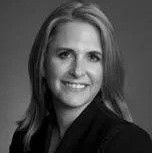
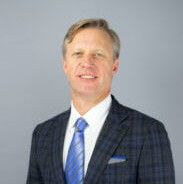 Hear from experienced national leaders in mass tort litigation about how to handle a docket, the ethics issues that can come up when representing a large volume of clients, how to get involved on committees, what steps to take to reach a litigation leadership position, and more.
|
September 16 “Digital Needle in a Haystack” |
|
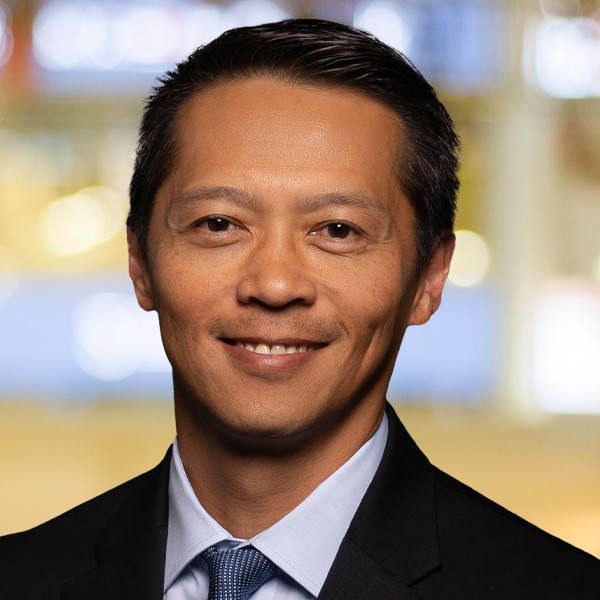 This presentation will discuss the uses and practical applications of digital evidence as part of a legal matter. We’ll cover the types of evidence that can be found on digital evidence, do’s and don’ts when handling digital evidence, tips on hiring a qualified digital forensics expert, plus share some real-world case studies.
|
September 23 “Force Majeure Clauses and the Ukraine Conflict” |
|
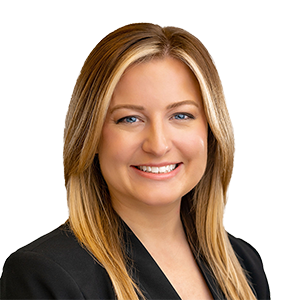 Force majeure clauses often enumerate triggering events, such as war. The Russian Federation has not characterized the current activity in Ukraine as a war. This CLE will consider what constitutes war (or similar terms) for the purpose of force majeure clauses and how might Russia’s actions and its own descriptions of its actions impact a legal analysis regarding a force majeure clause.
|
September 30 “Recent Developments in Intellectual Property Law” |
|
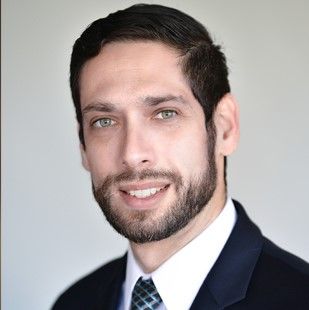 In this presentation, Kyle Friesen will provide viewers with an overview of recent developments in substantive patent law, as well as developments in the practice of patent litigation.
|
October 7 “Lessons Learned from My First Appeal: An HBA Young Lawyers Panel” |
|
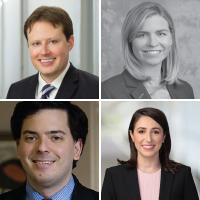 This HBA Young Lawyers Panel features young Houston attorneys offering guidance on navigating appeals in state and federal courts. The panel will include discussion about appellate strategy, tips for drafting briefs, and preparing oral argument.
|
October 14 “Trial Court Preservation of Error” |
|
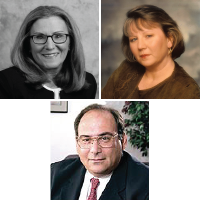 What is three times better than an appellate attorney speaking about trial court preservation of error? THREE board certified civil appellate attorneys sharing with you best practices
 |
October 21 “Emerging Damages and Lien Issues in Medical Malpractice Cases” |
|
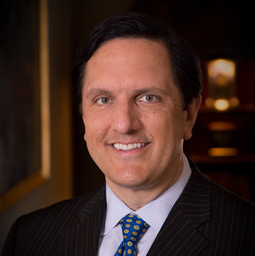 This CLE will approve an overview of statutory damages caps that apply to Texas medical malpractice cases. It will also cover the recent Texas Supreme Court Opinion changing the way future medical periodic payments are handled, and the recent game-changing U.S. Supreme Court opinion on Medicaid liens. It will address client counseling issues regarding Medicaid liens and Medicaid lien resolution and Texas Disciplinary Rule of Professional Conduct 1.14.